The path towards equity is an ongoing journey. It builds on stories and experiences. It is, by its nature, a qualitative entity. There are no built-in or obvious metrics. So how can we as grantmakers gather quantitative data to relay our impact in this immensely important area? More importantly, how can we do this without causing unnecessary burden on our grantee partners, and also ensure we are not undertaking this important but challenging task on our own?
Grants managers, whose work is at the core of a foundation’s grantmaking, are uniquely poised to advocate for small but meaningful equitable changes from within, using tools like Demographics via Candid.
Enacting change without reinventing the wheel
When several members of the Morgan Family Foundation engaged in Philanthropy Ohio’s Racial Equity Learning Cohort in early 2024, the foundation turned inward to reflect on its own practices. We had been requesting demographic data from grant applicants, but how could we improve? In my research, I discovered that I could advocate for a shift in our processes and become a Demographics via Candid partner. We also felt that it was important to share our demographic data if we were going to encourage our grantee partners to do so. I tapped into the rich set of resources Candid had already created to help me draft an email to our board and staff explaining the need for the demographic information, and I created a survey using Google Forms that could be completed without attaching identifying information to potentially sensitive information. Once I gathered the information from our board and staff, it only took a few minutes to update our profile on Candid.
Using the built-in functionality of our grants management software, GivingData, we adjusted our application to direct people to update their Demographics via Candid profiles. We also included a text box for those that did not want to include their data there or were with organizations not otherwise listed on Candid, like churches, government entities, or projects using fiscal sponsors.
I would love to report staggering statistics showing the ripples this has made, but to be honest, it’s too soon, and the data is too sparse to see any significant changes. We have only had one complete grant cycle and a few individual grants since we began our partnership with Demographics via Candid. As the data and integrations become more robust, the Morgan Family Foundation hopes to use the data to better focus our grantmaking and encourage our grantee partners to ensure their leadership reflects the populations they serve. For now, we are happy to be doing our part to increase our transparency and encourage others to do the same.
How demographic data in grantmaking advances equity
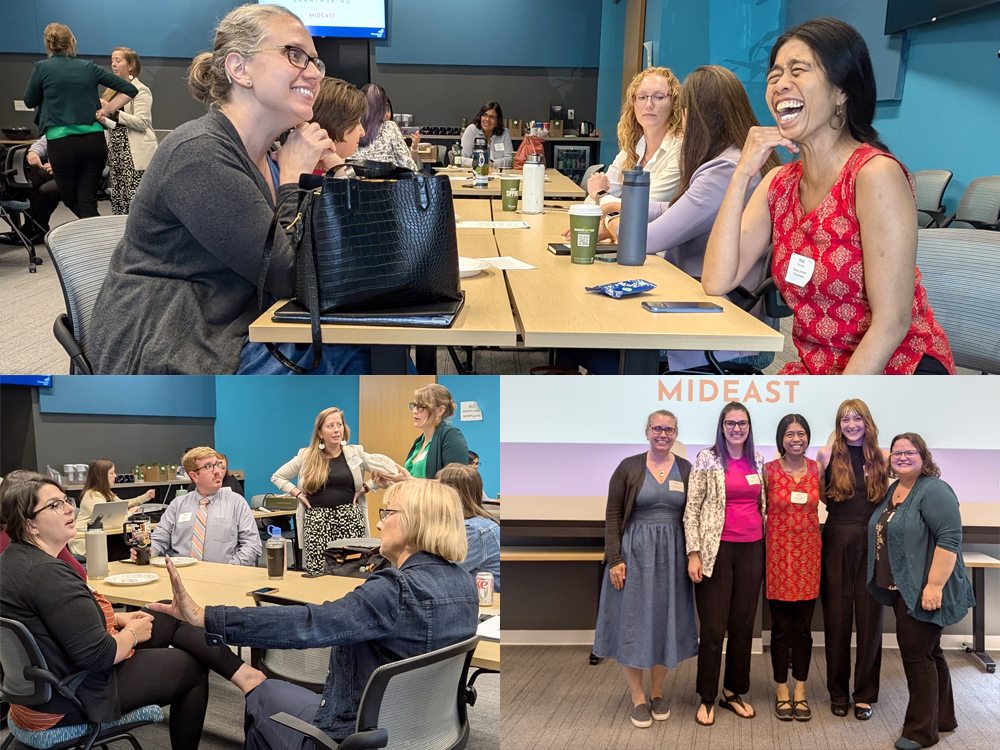
In August, PEAK Mideast partnered with our statewide philanthropy support organization Philanthropy Ohio to cohost the Programs & Grants Summit in Columbus, Ohio. Attendees from funding institutions across the state gathered to discuss their foundations’ experiences in using demographic data in grantmaking. Brian Schultz, director of partnerships for Candid, spoke about the benefits of collecting and sharing demographic data for both grantee partners and funders. The long term vision, Schultz explained, was to eventually centralize this data for the sector using Demographics via Candid.
Demographic data can be used in the grantmaking decision process, as an indicator that the organization’s leadership reflects its constituents. One summit attendee shared that her foundation reviews the data, but also takes into consideration how racial equity is discussed within the organization. Foundations can also use the data for reflection and learning by reviewing the demographics in relationship to approved and declined grants, look for patterns in grant size and type of support, and identify gaps in board and leadership representation. Candid has created a funder’s guide to using demographics to help foundation staff use the data responsibly, including sharing it with boards, committees, and other stakeholders with appropriate context.
Tools like Demographics via Candid aid in data collection while reducing applicant burden by creating a single place for nonprofit organizations to share their data. The shared information can be accessed for free by funders and grants management systems. Candid hopes this will encourage funders to use the readily available information instead of asking for bespoke responses on their applications. Once widely adopted, it could also reduce workloads on both sides of the grant process. A study conducted on behalf of Candid found that 46 percent of organizations surveyed reported that they had to share their demographic data with five or more entities over the past year, a process that could be simplified by tools that automate and streamline grant applications.
Tools like Demographics via Candid also help encourage honest accounting of the sector’s progress. By sharing your foundation’s demographic data, you are affirming your foundation’s commitment to transparency and sector advancement. Your foundation’s data can exemplify how you are advancing stated equity strategies and policies, and could encourage other funders to share their data by your example.
Aggregated data can be viewed more broadly and used to generate reports like The State of Diversity in the US Nonprofit Sector. Data can be used to benchmark and identify gaps, and to help funders find nonprofits that reflect their targeted audience. Further, according to the Hawthorne effect, when people know they are being watched, they behave differently. By simply shining a light on demographic data, organizations will be more introspective and thoughtful about their own diversity, equity, and inclusion efforts.
Learn how to become a Demographics via Candid partner
You can learn more about becoming a Demographics via Candid and to access the curated resources to help you operationalize this change on Candid’s website.
Meet the Author
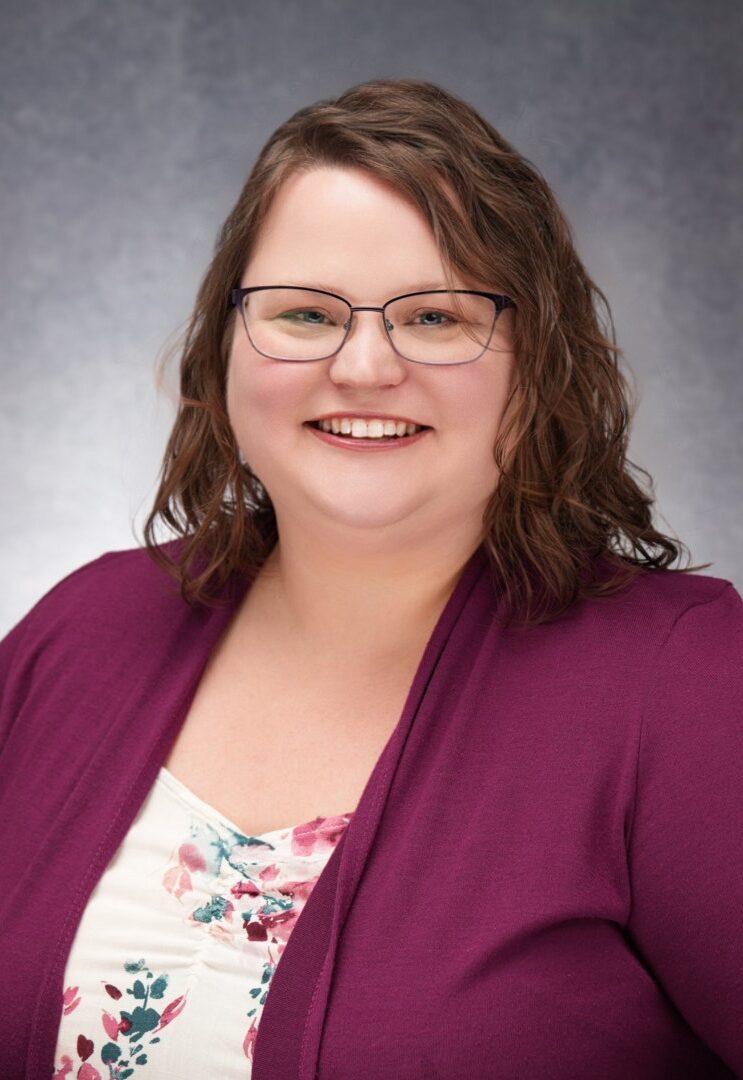
Stephanie Richards
Grants and Operations Coordinator, Morgan Family Foundation
Principles for Peak Grantmaking
Read more insights related to this Principle:
Drive Equity
Related Topics
Technology ManagementRelated Articles
From Fixing Forms to Fixing the System: A Call to Action
READ
How Technology Can Improve the Grantee Experience
READ
How Your GMS Can Drive Equitable Grantmaking
READ