Weekly Reads—January 5, 2023
Enjoy PEAK’s weekly roundup of timely insights from the grantmaking community and beyond.
“For too long, people in U.S. territories have been overlooked, misunderstood and neglected. As the New York Times recently dubbed them, they are “The America that Americans Forgot,” the “most ignored and underrepresented citizens” in the United States. Philanthropy, too, has participated in the invisibilization of people in U.S. territories by ignoring these communities of color and the problem of U.S. colonialism for decades.” [more]
Ana Marie Argilagos, Hispanics in Philanthropy, Deanna James, St. Croix Foundation for Community Development, and Sarah Thomas Nededog, Pacific Islands Association of Non-Governmental Organizations, for Inside Philanthropy
“Centering community is a practice that allows for social justice efforts to build the durable solutions needed to address systemic problems. It offers a means to show up and act in a genuine, dutiful, and unified way. It’s a journey. One that needs bridges along the way. The Community Bill of Rights [and Centering Community Self-Assessment Tool] provides the necessary steps—the bridges and the guideposts—for systems change efforts to have the impact they were intended to deliver.” [more]
Full Frame Initiative for Fund for Shared Insight
“Why do so many funders remain reluctant to adopt flexible funding? Why do they continue to doubt that their grantee partners can ‘handle’ large gifts? Why do they continue to think of themselves as the experts, and their nonprofit partners as the hired help? And more importantly, what will it take to change their minds? … At the end of the day, I think it comes down to funders’ fear of losing power, influence, and control. And so, I am wondering: What might convince funders to trust our nonprofit partners more, and seek to control them less?” [more]
Kathy Reich, Ford Foundation, for Center for Effective Philanthropy
Philanthropy and Digital Civil Society: Blueprint [by Lucy Bernholz] is an annual industry forecast about the ways we use private resources for public benefit in the digital age. Each year, the Blueprint provides an overview of the current landscape, points to big ideas that matter, and directs your attention to horizons where you can expect some important breakthroughs in the coming year. [more]
Stanford Center on Philanthropy and Civil Society
Meet the Author
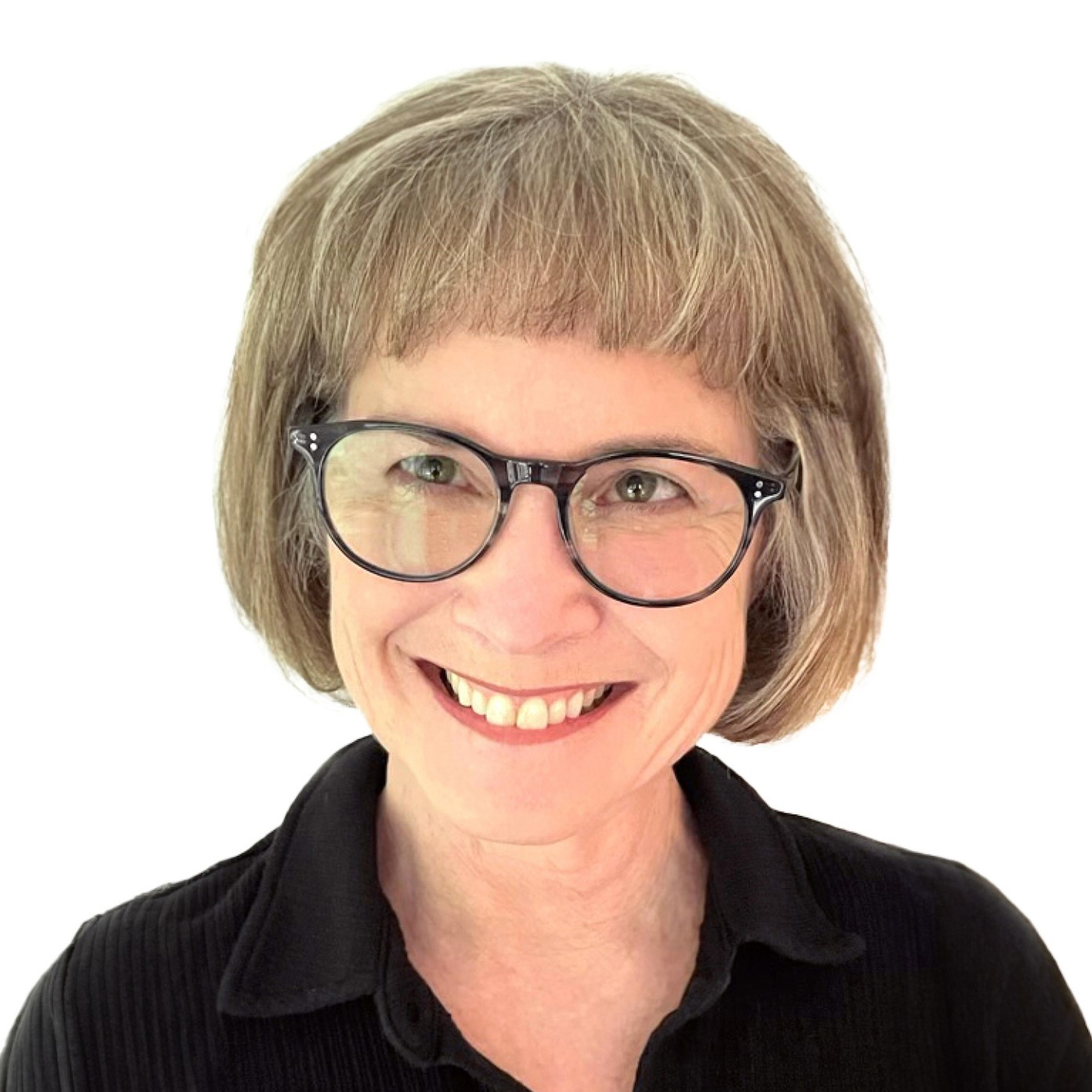
Betsy Reid
Senior Communications Director, PEAK Grantmaking
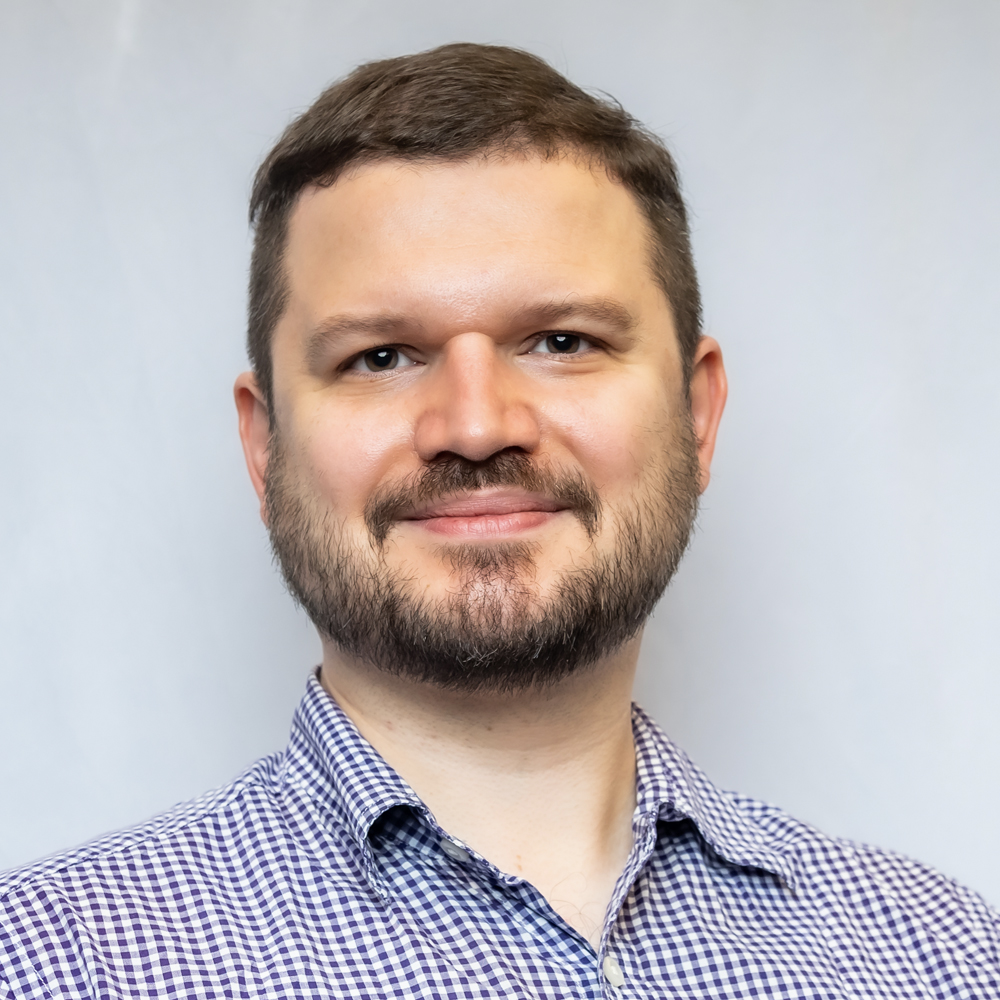
Jesse Rhodes
Publications Editor, PEAK Grantmaking