Despite the unpredictable political climate, there is still incredible progress being made in the social sector to further the aims of diversity, equity and inclusion (DEI) initiatives and equip the next generation of diverse leaders with the tools they need to forge ahead. Historically Black colleges and universities (HBCUs) in particular play a critical role in cultivating a diverse pipeline of talent prepared to lead with an equity lens. One phenomenal example is Bowie State University’s Philanthropy Initiative, which hosts an annual fellowship program that provides Black graduate students in the College of Business with the experience and mentorship they need to pursue careers that drive impact in the nonprofit and philanthropic sectors.
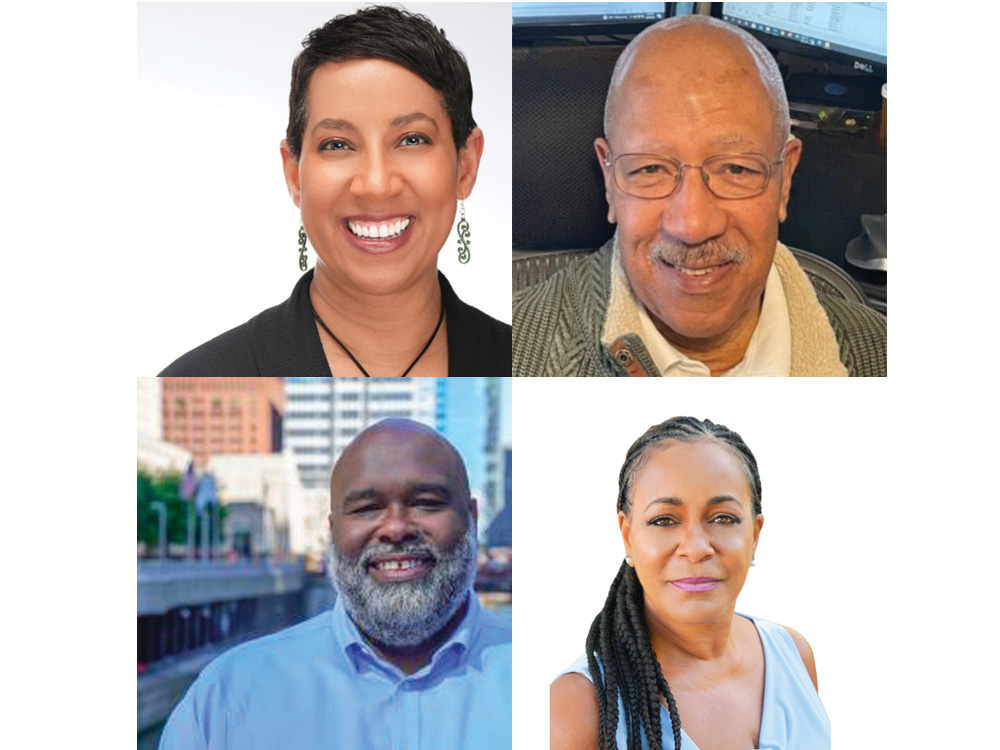
PEAK Grantmaking recently hosted a conversation to discuss how increased investment in HBCUs will provide students a strategic pathway to dismantling systemic inequities and strengthening the impact of the philanthropic sector. PEAK President and CEO Satonya Fair was joined by ABFE President and CEO Susan Taylor Batten; Tides Senior Director of Justice, Equity, Diversity, and Inclusion Christian Friend, PhD; BSU Philanthropy Initiative Advisory Board Chair James Hyman, PhD. Here are a few highlights from their discussion.
Current trends in funding HBCUs
HBCUs make up just 3 percent of colleges and universities in the United States yet graduate 80 percent of Black judges, 50 percent of Black lawyers, and 50 percent of Black doctors, according to the United Negro College Fund (UNCF). HBCUs are incredibly important educational, cultural, and economic institutions, yet despite the significant role HBCUs play in developing Black leaders, they are chronically underfunded and under-resourced.
Philanthropy and HBCUs: Foundation funding to historically Black colleges and universities, a 2023 report from ABFE and Candid, explores the relationship between the philanthropic sector and HBCUs, and the findings reveal troubling disparities and inequities. The average HBCU endowment lags behind those of non-HBCU institutions by at least 70 percent, and the average Ivy League school receives a whopping 178 times more foundational funding than the average HBCU. Though private funding to HBCUs rose in 2020 in response to the racial justice movement, the data points to a troubling backslide since then.
“Philanthropy’s role is to shift and strengthen power to proximate leaders,” said Friend. “We need to see who’s closest to the work and identify how we can shift power and resources to them. We have to understand how these issues are impacting those proximate community leaders, and we need to support their work, including those in HBCUs.”
In 2022, James Hyman, an assistant professor in the College of Business at BSU, founded and launched the BSU Philanthropy Initiative and the Philanthropy Fellowship program. A first-of-its-kind at an HBCU, the program is dedicated to preparing graduate students of color for leadership roles in the nonprofit and philanthropic sectors by connecting them with full-time, year-long, paid roles at partner organizations. ABFE, PEAK, and Tides are organizational partners of the program, and each organization hosts one or more fellows each year in a variety of operational, programmatic, and communications roles.
“Our purpose is to lift up the voices and lived experiences of a new cadre of leaders,” said Hyman. “We know that philanthropic and other nonprofit organizations play important catalytic service and support roles in communities of color. We want to help the field reimagine its philanthropic and nonprofit policies and programs in ways that can have more positive effects for our communities.”
HBCUs are uniquely positioned to produce and host programs like these but they need material and structural support to do so—this is where the philanthropic sector can step up. “The question for us is, how can we place philanthropy on the map of HBCU funders?” said Taylor Batten. “We need to really think about the role of HBCUs as it relates to building and strengthening the profession of philanthropy and nonprofit management.”
Philanthropy’s duty is to dig in and double down
In these troubling times, the panelists shared critical calls to action to the philanthropic sector: we must deepen our engagement with impacted communities, tie our practices to our values and make long-term investments in the next generation of leaders.
“I have always found philanthropy to be willing to invest for the long term,” said Fair. “There are so many collaborations that we’re all proud to be a part of that were started by people in philanthropy saying, what if? The essence of philanthropy sits there—it is the promise of philanthropy. When we think about what may feel like diminishing returns in supporting more people of color, especially folks who are coming out of HBCUs to enter into this field, I encourage us to see everything as an opportunity at this moment.”
By rooting our work and our practices to our values, we are able to both anchor ourselves more deeply to our missions and connect with collaborators aligned to those values. “Justice, diversity, equity and inclusion aren’t just buzzwords,” said Friend. “It’s a value and a deeply held belief about what’s right and true and just and good. Right now, we need to stay attached to those values and persist in the face of these challenges.”
The panelists called on the philanthropic sector to take action proactively, and shared a reminder that we can persist in the face of these challenges by working together. “We have the potential to influence policy, whether that be through funding, convening, or our connections with other philanthropic or nonprofit organizations,” said Friend. “We don’t have to be reactive. We can think about what we want the future of DEI to be and start to move in that direction.”
Developing a pipeline of diverse leadership in philanthropy
Study after study has already proven the numerous benefits of more diverse workplaces and communities, and the success of BSU’s Philanthropy Fellowship program shows that developing and retaining diverse talent specifically in the philanthropic sector is also an all-around win.
“We’ve hired three of the BSU fellows as full-time staff members at Tides, and that’s the work of diversity,” said Friend. “It’s not just racial diversity—it’s age, geography, life experiences, skill sets and expertise. The program has allowed us access to this incredible pool of talent that brings in new ideas and experiences that can help us see our own processes and work through a new lens.”
However, the pipeline shouldn’t end with a hire letter. Committing to moving the needle on diversity in philanthropy means building the infrastructure sector-wide to support that talent across their careers.
“We don’t have a problem in the field of recruitment, vis-a-vis talent of color. We have a problem around retention of talent, and specifically, Black talent, and that has everything to do with not diversity, but inclusion,” said Taylor Batten. “Pipelines are how we bring diverse talent in but retaining talent is crucial. Who’s sitting in the C-suite and boardroom? Because that’s where the power is and those are the folks running the field. We have to think broadly about how to ensure that boardrooms are diverse as well because that’s an important part of the strategy.”
Our current socio-political context is targeting and working to dismantle DEI work, creating an unpredictable environment for the social sector. Now is not the time for philanthropy to backtrack on the values that underpin this work. In these times, advancing DEI means working together to shift the sector—and to do it at the university level by investing in HBCUs.
“We need to double down on our own values,” said Fair. “This is how you meet your mission, and this is how you challenge and solve some of the hardest situations in the country and world. We can begin cultivating not just dollars into HBCUs but this really unique professional and career experience within our organizations. We don’t have to lose at this moment. We can actually come out of the next few years seeing growth and progress in the field.”
For additional insights, click here to watch the recording of this online event.
Meet the Author

Yasmin Belkhyr
Associate Editor, PEAK Grantmaking
Principles for Peak Grantmaking
Read more insights related to this Principle:
Drive Equity, Tie Practices to Values
Related Topics
Diversity, Equity & InclusionRelated Articles
How Your GMS Can Drive Equitable Grantmaking
READ
Driving Equity Through Technology, Transparency, and Data
READ
Make Technology Transformational, Not Transactional
READ