How a PEAK–BSU Partnership Helped Me See a Career in Philanthropy
My philanthropy experience began when I decided to participate in the 2024–25 Bowie State University Philanthropy Fellowship Program and was given the opportunity to spend a year at PEAK Grantmaking. Reflecting on my time here, this experience awakened something in me that will influence how I show up in philanthropic spaces and everywhere I go. It’s also an experience that creates a reproducible blueprint for building a pathway directly into the field which allows students or those interested in entering philanthropy to reflect their values throughout their work in ways that can shift the sector.
My journey began with the operations team where I learned about centering people in processes. For example, PEAK’s objectives and key results framework outlines the organization’s goals and key projects and how each body of work directly supports PEAK’s strategy. This framework creates organization-wide visibility into how each team is supporting PEAK’s objectives and allows each employee to see how they’re actively contributing to shifting the sector. To support the OKRs, and to create clarity on project leadership and organization-wide accountability, the operations team implemented the Accountability, Responsibility, Supported, Consulted, Informed (ARSCI) framework.
I also learned the importance of interdepartmental collaboration and how the perspectives of colleagues on other teams can enrich my own work. For example, when I was tasked with creating a staff evaluation form to help assess PEAK’s four-day workweek program, I met with Alberto Espinoza on the knowledge and learning team who showed me how to structure questions so that I’d get responses that would best shed light on how the program was functioning and how it might be improved. By prioritizing interdepartmental collaboration and removing silos, I was better able to meet my goals.
Evaluation design work was especially human-centered because I also had the opportunity to pair it with a one-page self-compassion resource. Through research, I created this resource to help employees build on the intentions of the four-day workweek by amplifying wellness at work, taking them through an exercise to assess how hard they are on themselves when it comes to work, and offering activities and practices to challenge those negative thought patterns.
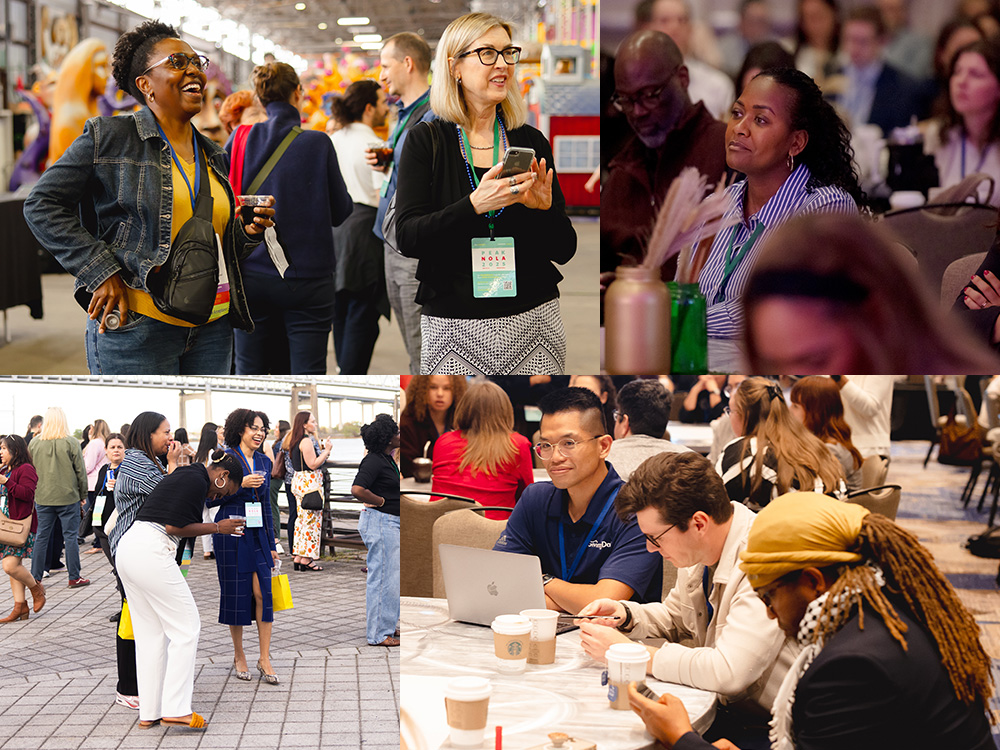
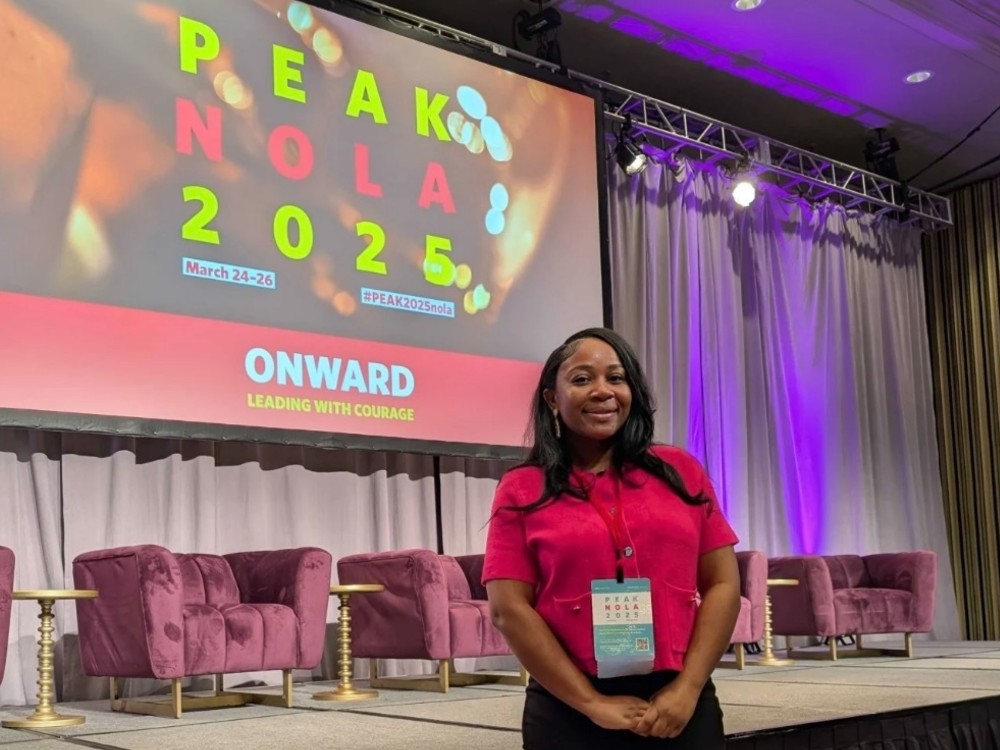
I then had the opportunity to learn more about the broader philanthropic sector and PEAK’s work to support the sector by attending PEAK’s annual convening in New Orleans. I attended several workshops that made me realize how, even this early in my career, I can narrow power gaps and build organizational cultures centered on equity. I learned that it begins with checking your ego, recognizing racism—and other isms that divide us—how to confront it, and then take action.
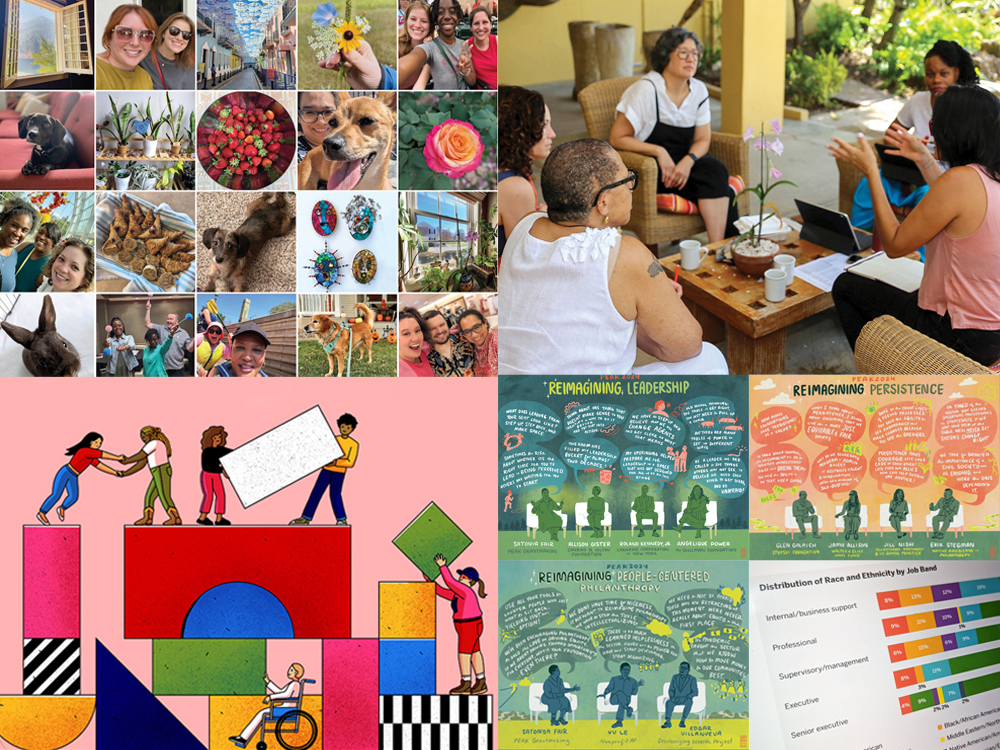
I also learned how to use data as a powerful tool to drive equity and further your career. A session on data visualization taught me how to tell digestible and impactful data stories for my intended audience. Another showed me how to use data to challenge longstanding compensation inequalities by documenting your competencies and achievements, understanding the job bands within your organization, understanding your organization’s approach to compensation and professional advancement, and gain clarity on who is making the decisions, documenting your competencies and achievements, and using valid data to advocate for higher pay.
These learning experiences leave me feeling empowered, determined, and excited to show up in philanthropic spaces because I am entering the filed with a clear vision for how I can make a difference within and outside of my organization. My experience in the Bowie State University Philanthropy Fellowship Program and at PEAK shows how organizations can bring diversity and fresh perspectives to the sector by engaging with colleges and universities and including students like myself. Some PEAK members have shared that they found philanthropy by accident and then focused on building their careers in the field. This experience was highly intentional in showing me how to think about developing as a professional in this field. And perhaps most importantly, it taught me how to ensure that every organization I work with has values embedded throughout the work, provides a professional but caring experience that increases staff retention, and dismantles practices that work against the goals the organization aims to accomplish.
Bowie State University’s Philanthropy Fellowship program is a partnership between PEAK, ABFE, and Bowie State dedicated to preparing Black graduate students for leadership roles in the nonprofit and philanthropic sectors. Click here to learn more about the program.
Photo courtesy of Telicia Farmer
Meet the Author
Telicia Farmer
Bowie State University Philanthropy Fellow
Principles for Peak Grantmaking
Read more insights related to this Principle:
Learn, Share, Evolve
Related Topics
Organizational LearningRelated Articles
Maintaining the Learning Momentum After a PEAK Convening
READ
Six Insights on Organizational Learning
READ
PEAK’s Top 10 Insights of 2024
READ