Maintaining the Learning Momentum After a PEAK Convening
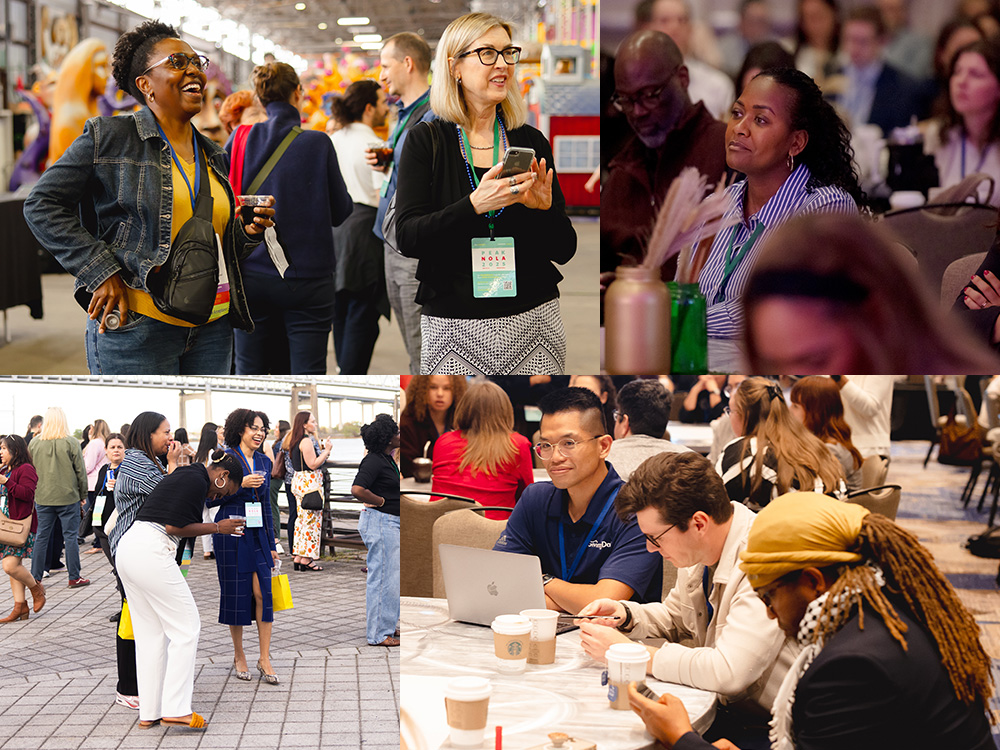
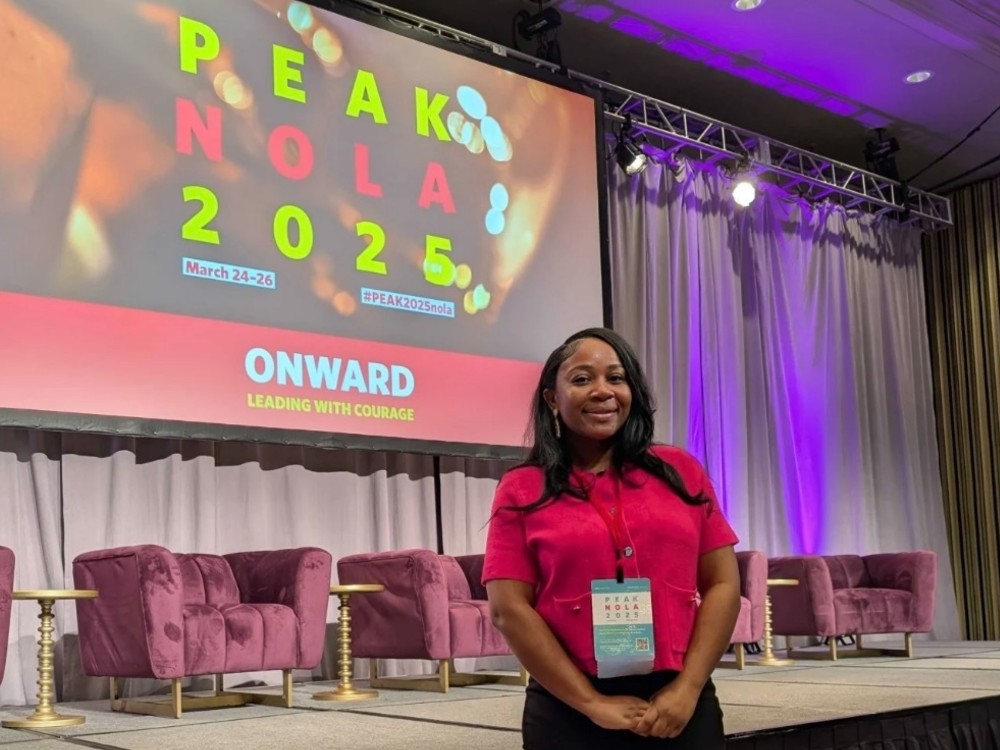
On March 26, I walked into the Louis Armstrong International Airport with a sense of gratitude and fatigue that’s become familiar after a PEAK convening well spent. After days of learning, feeling energized and inspired, and spending time with old and new peers and friends, inevitably we all part ways. The creative ideas that sparked can fade away.
Instead of an end, how can we make great conferences the beginning of a new learning journey in our organizations? Here are a few strategies we are trying out at the Helmsley Charitable Trust and why it matters.
Show, tell, and invite
The grants management team at Helmsley loves PEAK’s annual convening. It is our Super Bowl, our World Cup, our favorite concert. Because of our enthusiasm, some might assume that PEAK is only for grants management staff. But we wanted our colleagues to hear that PEAK offers insights and connection for them as well, and that we would love to have some company in St. Louis next year.
Every month, our communications team hosts an organization-wide staff event called Conversations Over Coffee. Each presentation highlights a department, a program, a grantee, or an interesting initiative. On May 27, the grants management team stepped up for this presentation and offered A PEAK Into Grants Management. (We couldn’t resist the pun.)
We began with a grants manager’s review of PEAK2025 and our top four sessions: Driving Equity Through Data by Rethinking Grant Applications; Trust-Based Grantmaker Confessional; Empowering Grantees Using Flexible Funding for Programs; and Indirect Costs and Embracing, Navigating, and Mitigating Risk to Your Grantees.
This year, two colleagues from our finance team and one associate program officer joined the grants staff at PEAK2025. In our presentation, the associate program officer shared highlights from several sessions, including the data visualization workshop, Aligning Values & Reporting, Evaluation Models, Community-Informed Grantmaking, and Grantee Relationship Building.
Many of Helmsley’s grants are for multi-year projects with our grantee partners, some of whom have worked with us long-term. At Helmsley, our program colleagues bring deep expertise across varied and impressive professional backgrounds, including medical research and public health. Just as important, they share a commitment to improving health outcomes, no matter where you call home. Working together, the grants and programs teams can have impactful conversations about the frequency and type of grant reports, project budgeting and payment schedules, and streamlining grant modifications. We know these logistics are not neutral or meaningless. The structure of the grant should align with and support the mission and goals of the project and the grantee relationship.
To us, that’s the power of the PEAK sessions. They focus on how we grant, not what issue areas we fund. These sessions help us envision and create possibilities and options in structuring, monitoring and learning from grants, and strategies for relationship-building and trust. They help us evaluate and understand the larger implications of our administrative choices for our grantee partners and ourselves. This mindset has driven us to update our modification policy, refresh our grantee portal for clarity and user-friendliness, and continuously look for areas to improve our systems and processes.
By inviting our colleagues to PEAK’s annual convening, or by sharing the Principles for Peak Grantmaking, innovative and current research, and the lessons learned from peers, they can begin to understand why the grants team asks the questions we do and where we grow our knowledge and networks.
Use your resources
Beyond the annual conference, there are many other ways to engage with PEAK throughout the year. The next part of our presentation was introduced by Helmsley Charitable Trust Grants Manager and PEAK Northeast Co-chair Irene Williams and highlighted how PEAK chapters host virtual and in-person regional events that provide opportunities to connect and learn.
PEAK Northeast has made it possible to meet local and regional peers for networking, discussions, workshops, and even a meeting with PEAK’s board. We co-hosted a chapter chat about grants management handbooks to share our thoughts and help us plan how to update our own manual. We also hosted one of a series of reflection sessions after PEAK2024 to share and discuss highlights of the convening, whether you attended or not.
Finally, PEAK’s website has many resources, from publications and guides to recorded conference sessions. If your organization has a PEAK membership, remember that everyone on staff can have a login to access these resources. Do you have a new staff member from another field asking about what a career in philanthropy can look like? Then there’s the Grants Professionals Competency Model. Is your information technology team asking about your grants management system, its features, and what other foundations use? There’s A Consumers Guide to Grants Management Systems for Public and Private Foundations—a collaborative effort from Grantbook, PEAK Grantmaking, Technology Association of Grantmakers (TAG), and Tech Impact. Is your human resources department interested in compensation trends at over 1,000 philanthropic organizations? Try PEAK’s 2023 Grants Professionals Salary Report. Program staff looking to strengthen and deepen their grantee relationships? Point them to the Principles for Peak Grantmaking or recordings from PEAK2025.
Just reach out!
Let’s say you had a great conversation with a peer at a PEAK event or a chapter chat, trade contact information, then things get busy, and five months later you look up and think, ”It’s been far too long, I can’t possibly write this person now. They probably don’t even remember talking to me!” Do it anyway. They’ll likely be happy to hear from you. (If you’re still not sure, just send them a link to this piece and show them that I said it was OK.)
Some of these tips may seem basic, but in busy and challenging times, it can be hard to intentionally remember to share. It’s amazing how generosity in sharing resources, knowledge, and perspectives can unlock learning, connection, creativity, problem-solving and innovation, and inspire those around us to do the same. We all need it now more than ever.
Meet the Author
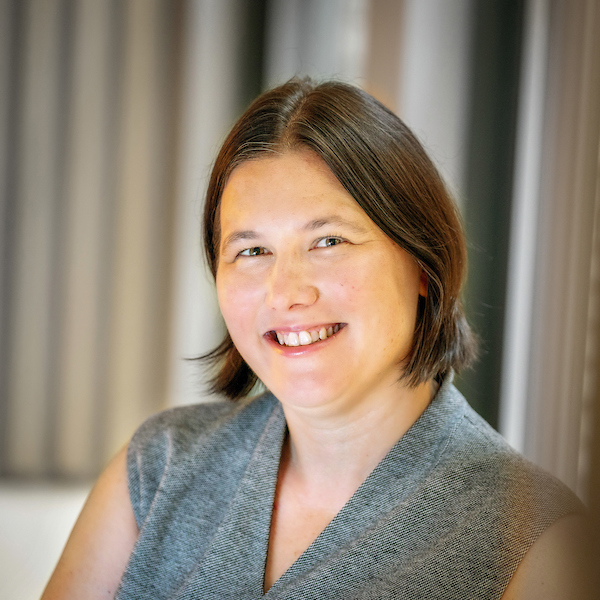
Jenn Dickinson
Director of Grants Management, Helmsley Charitable Trust
Principles for Peak Grantmaking
Read more insights related to this Principle:
Learn, Share, Evolve
Related Topics
Organizational LearningRelated Articles
How a PEAK–BSU Partnership Helped Me See a Career in Philanthropy
READ
Six Insights on Organizational Learning
READ
PEAK’s Top 10 Insights of 2024
READ