Journal | Issue 22
Career Development
Drive Equity, Narrow the Power Gap
Making a Seat at the Table for Grants Management

If seating charts existed for every decision-making table within an organization, you might expect to see place cards for members of the programs or operations teams—but the presence of grants management staff is often absent. For organizations, failing to include all functional teams is a gross strategic oversight. And for grants professionals, this dynamic can make it difficult to fully realize how their unique knowledge base and skill sets are critical to both strategy and culture-building.
To explore how grants management professionals can break down longstanding internal barriers, advocate for themselves, and become active participants in the conversations that drive the future of their organization, Rose Community Foundation Chief of Staff Kelli Rojas, who also serves on PEAK’s board, led a roundtable with our three guest editors: Robert Wood Johnson Foundation Senior Director, Grants Management Indya Hartley; Heising-Simons Foundation Director of Grants Management Kelly Hayashi; and the JPB Foundation Vice President, Grants Management Bonnie Rivers. Edited highlights of their conversation follow.
Rojas: Why are grants managers’ voices essential to strategy and decision-making processes—and why is it important for folks in our membership to be getting seats at tables?
Rivers: We have expertise that is different from what program staff bring to the table. For example, I’m currently going through a leadership transition at my organization, and there’s a lot of strategy discussion happening. I made the argument that I needed to be in that room because processes can either lift up a strategy or be a barricade—and they can support an organization in being very compliant but also nimble. If we’re not adding our voices and experiences to those discussions, then we’re missing an opportunity to be the best foundation we can be and move the work forward in the best way possible.
Hartley: Grants managers have a bird’s-eye view over the whole organization. We work so collaboratively with the programs, finance, legal, and executive teams, so we have a deep, intrinsic view of the organization and can help shape the goals of the organization. As a result, we can provide valuable input on how resources should be allocated and can identify compliance risks before issues arise. We also provide strategic alignment with our understanding of financial and compliance implications.
Rojas: Another piece is that applicants and grantees have a different relationship with grants management because we’re the folks who are helping them get their applications and reports submitted. Sometimes we hear and know things that other teams don’t. As a result, grants management can also be a really powerful voice and advocate for applicants, grantees, and other partners in the community who might not otherwise be represented. This is because grants management intersects at that process and logistics stage and not at the bigger-picture relationship programs phase.
Hayashi: We can also articulate how grants management can be a strategic thought partner. We’ve tried to position ourselves at the Heising-Simons Foundation to be a shepherd for change. For example, one of our program officers was underwater following up on overdue reports, and asked our department if the process could be automated by our database. Working with our administrator, we were able to implement this new functionality fairly easily. The feedback was overwhelmingly positive. Program staff shared that this automation enabled them to focus on other activities and it helped the grantees get the reports in on time. It was a win all around.
Rojas: In my organization, grants management has been a change agent for thinking about how we implement equitable grantmaking practices and reduce grantee burdens to make their lives—and our staff’s lives—easier.
To shift the conversation a bit: what exactly are the tables where grants management can be especially helpful? And how do you decide where and how you show up?
Hartley: For me, it depends on how closely my expertise aligns to the decisions being made, and whether I, as the senior director, need to represent the department in person or if one of my team members could be at this table instead. As the head of the department, I’m pulled into many different areas, and balancing those demands can be difficult, but that’s where knowing where my expertise and relevance lies comes into play.
Rivers: The operations and programs leadership teams are the main decision-making tables at my organization, and I made the argument that grants management should be included in both places. At the operations table, I do feel like I am a decision-maker. At the programs leadership table, the leadership team members are experts in the program areas we are funding, while I am not. At that table and at this time in our strategy development, I recognize that I’m there to listen, learn, and answer questions. I don’t feel like I’m a decision-maker at that table at this time—and that’s okay. There are other chances to lead within our organization—not just for me, but for my team members to represent grants management for their own professional growth and so their diverse perspectives and expertise are heard.
Hayashi: Also consider how relationships influence how you show up—and at which tables. My organization also has an operations directors’ meeting and a programmatic directors’ meeting. Grants management straddles both, and our executive leadership wondered if we should be at one table versus the other. Because of the relationships that I had built with program staff, program directors advocated for grants management to be in the room for those conversations. To me, our program staff acknowledging that it was important for grants management to be a part of those conversations was a testament to the quality of our work and function.
Rojas: Grants management folks have a lot of relational power because we touch all the different types of work in an organization. Sometimes those relationships lead to an invitation to a table, and sometimes they simply help grants management have a voice. Since I first joined the foundation, grants management has slowly been invited to more of the decision-making tables where folks can make their voices heard and have a bigger influence on the organization. How have you advocated for yourself or your teams?
Hayashi: As owners of the grants database, we have started to use some of our grants data to inform our human resources department around staffing issues. We created a matrix that documents the complexity as well as the volume of grants across our different portfolios and indicates how much work a program officer or associate is being asked to manage. That data has also helped human resources understand why there are more program associates on the team for one portfolio versus another.
Hartley: We collect demographic data on our grantees as well as our staff, and we recently developed a dashboard around our internal staff data that was shared with senior-level staff members. I asked, Are we using this data to inform hiring? Our grantmaking has increased substantially over the years, and we have also recently had a few staff departures, yet our grants management department has stayed flat. Are we using this data to make sure that we have the staff capacity we need to get the work done on the timeline we want?
Rivers: When my organization was going through a transition, I reflected on what the foundation might need and how my experience and expertise could meet those needs. I wrote a new job description and suggested a title for myself with bullet points describing my accomplishments. Then I did the same thing for each member of my team. So, when I met with our new president, who asked what I hoped to see for myself at the foundation, I was able to share my work and say, “This is what I think the team should be, this is what we can do, and most importantly, this is how these changes will improve the work of the foundation.” It was not about wanting promotions. It was about articulating the foundation’s needs and acknowledging the amazing skill sets we had on staff. And it worked. The whole team was promoted, which was the right thing for the team and the foundation.
Rojas: How have you actively empowered others to lead? This can be challenging because you might be facing structural inequities as you’re trying to create space for you and your team.
Rivers: I’ve had people stand up for me and make sure things were equitable, and I’ve tried to pay that forward my whole career. I try to think about people in different situations, look at policies, and determine whether they’re equitable across the board. When equity is both a personal and an organizational value, and you see something that’s not equitable, it’s everyone’s job to say something, whether it’s in your department or not.
Hartley: I’m actively working on self-advocacy with my team right now. The Robert Wood Johnson Foundation participates in Gallup surveys, and at one of our department retreats earlier this year, we looked at those survey results. Through that, we created a work group within our department to think about how we can rebrand grants management so that we’re seen as an important function that impacts the rest of the foundation. This is the first time this team has ever been given a chance to voice their opinions and provide input to management on decisions that affect their work.
Hayashi: It’s our job, as those who have seats at the table, to be advocates and speak up for others.
Rojas: In being included at those decision-making tables, we are charged with coaching and mentoring others—to help others develop their self-advocacy skills and think about how they might be able to make themselves a part of the conversations they really want to participate in.
Meet the Author

Indya Hartley
Senior Director, Grants Management, Robert Wood Johnson Foundation

Kelly Hayashi
Director of Grants Management, Heising-Simons Foundation
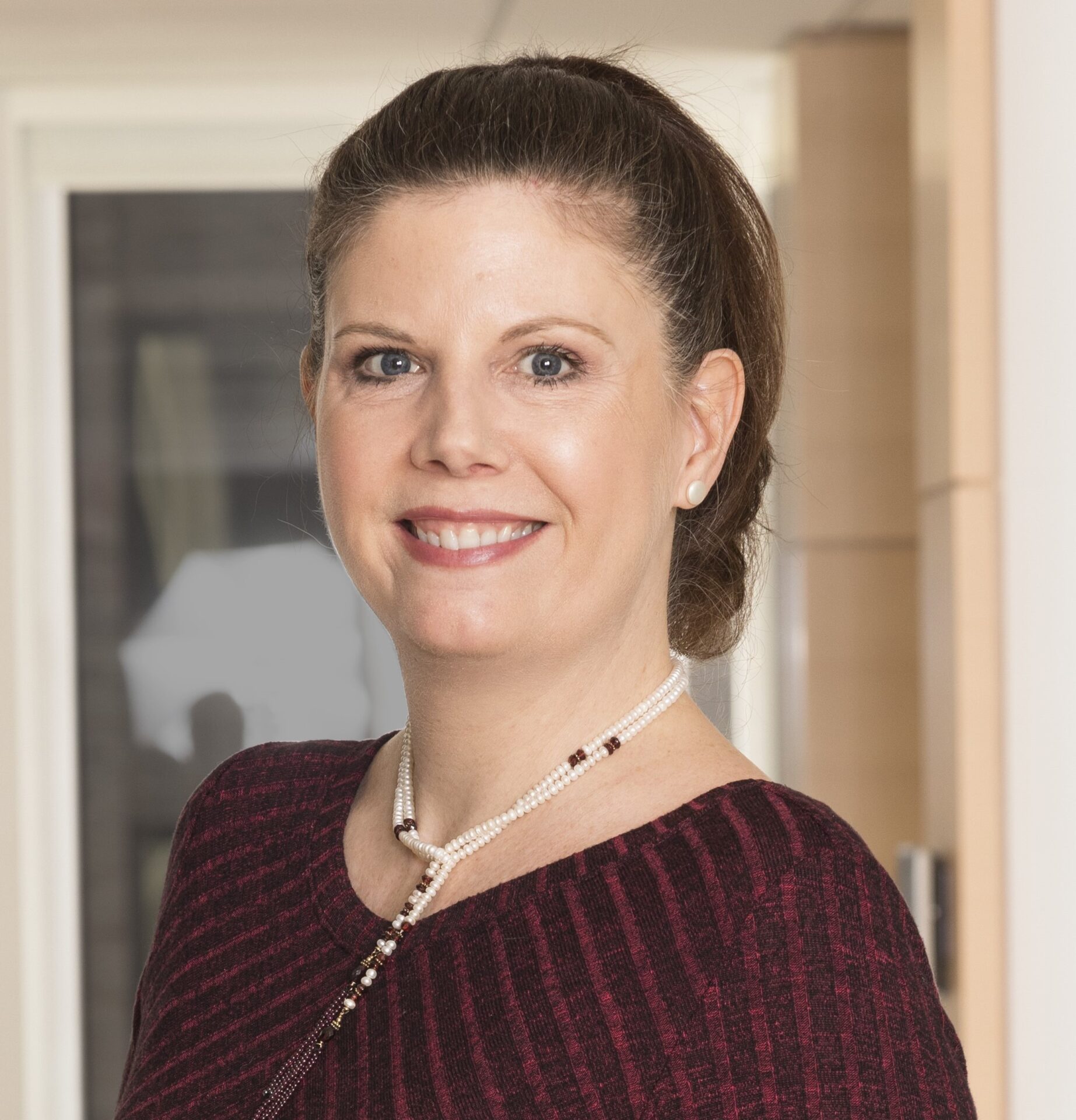
Bonnie Rivers
Grants Management, JPB Foundation Vice President

Kelli Rojas
Chief of Staff, Rose Community Foundation
Principles for Peak Grantmaking
Read more insights related to this Principle:
Drive Equity, Narrow the Power Gap
Related Topics
Career DevelopmentRelated Articles
Exploring the Evolution of Grants Management
READ
How to Become a Change Leader
READ
The Power of Mentoring
READ