Each year from September 15 through October 15, we honor National Hispanic Heritage Month by celebrating “the histories, cultures and contributions of American citizens whose ancestors came from Spain, Mexico, the Caribbean and Central and South America.” And this year, we asked three PEAK staff members—Chapter Manager Altinay Cortes, Chief Operating Officer Dolores Estrada, and Programs and Knowledge Director Lita Ugarte Pardi—to suggest resources to read, watch, or listen to that would help our readers deepen their understanding of the Hispanic and Latinx experience.
For starters, this occasion provides an impetus to seriously consider the language used to describe this rich and complex demographic. The words Hispanic and Latinx include—and exclude—different segments of the population. Hispanic separates people out by language and includes people with ancestry from Spain and Latin American Spanish-speaking countries. It excludes people with Portuguese heritage, such as those who come from Portugal proper and Brazil. Latinx is a gender-neutral evolution of Latino and is used to describe people with Latin American heritage and excludes those from Spain and Portugal. While Latinx is PEAK’s default term to use because it is gender inclusive, this relatively recent addition to our vocabulary comes with its fair share of controversy. Last year, members of the PEAK Latinx Caucus had a number of in-depth conversations about whether or not to embrace the term over those in wider usage, such as Latino or Latine. (Read “Through the Latinx Caucus, Grants Professionals Find Common Bonds Amid Diverse Experiences” to learn more about the caucus’s decision-making process.) And thoughtful debate continues on PEAK’s CONNECT forum.
To dive deeper into the complexities of language, check out the TEDx talk by Fernanda Ponce
What Being Hispanic and Latinx Means in the United States. But at the end of the day, whenever you are collaborating with an individual, it’s always best to ask about and respect how they prefer to self identify.
Now, on to the staff recommendations.

Altinay’s recommendations
Latinx on the Rise is a podcast that focuses “on conversations with high achieving Latinx movers and shakers.” Each month they feature conversations that range from politics to popular media to social justice issues. I really appreciate the diverse range of voices and backgrounds they share.
Frida, a movie about Mexican painter Frida Kahlo, sparked my love for visceral and honest art depictions featuring real life. Before seeing the film, the only thing I really knew about her was that she had a prominent unibrow. Once I watched the film, I dove deep into learning more about her life. I was stunned by her strength, and how she used a horrific tragedy to create art that is raw, moving, and intriguing. I have had the pleasure of visiting La Casa Azul, her home-turned-museum in Mexico City to see the beauty she created all around her. She was one of those rare people that unabashedly filled her life with bright colors, truth, and raw emotion.
Latinx: The New Force in American Politics and Culture by Ed Morales is an exploration of the intersectionality that is deeply woven throughout the Latinx diaspora. It’s been the most comprehensive introductory book I’ve read that frankly discusses the many aspects of Latinx people and how we show up in the United States context. The book is part history, part cultural exploration, part political overview, and very much personal. If you’re interested in learning more about just how diverse the Latinx population is this book is worth a read.
Dolores’ Recommendations
Big Chicas Don’t Cry by Annette Chavez Macias is about family through the lens of 4 cousins and navigating life and their Mexican American heritage. Macias is a great storyteller of Mexican family dynamics.
Well Woman Coalition is an online community of women of color committed to health and healing. It’s a private space and I love their tagline: “Be the CEO of your body.”
“How 1968 East L.A. Student Walkouts Ignited the Chicano Movement” provides a great overview from the History Channel on the movement for educational equity for Latinx students in the late 1960s.
Did you know that there’s a White House Initiative on Advancing Educational Equity, Excellence, and Economic Opportunity for Hispanics?
Lita’s recommendations
I have several Latino authors whom I adore and who are great storytellers. I’ve picked out two books that I think provide some education on Latinos beyond telling good stories.
Esperanza Rising, often assigned to late elementary/early middle school students, tells the story of a young girl and her mom who must flee a life of privilege in Mexico for California. It takes place during the Great Depression. They become farm workers and though their struggle, they find an incredible community to support them through the difficult times.
The Undocumented Americans by Karla Cornejo Villavicencio tells the stories of undocumented immigrants from across the United States. The author was an undocumented student at Harvard before the Deferred Action for Childhood Arrivals (DACA) program was established and wanted to focus on day laborers as their stories and dreams are not often told.
Latino USA is a Peabody Award winning NPR podcast that features a super diverse array of Latinos who talk about cultural, political, and social issues impacting the Latino community and the United States as a whole.
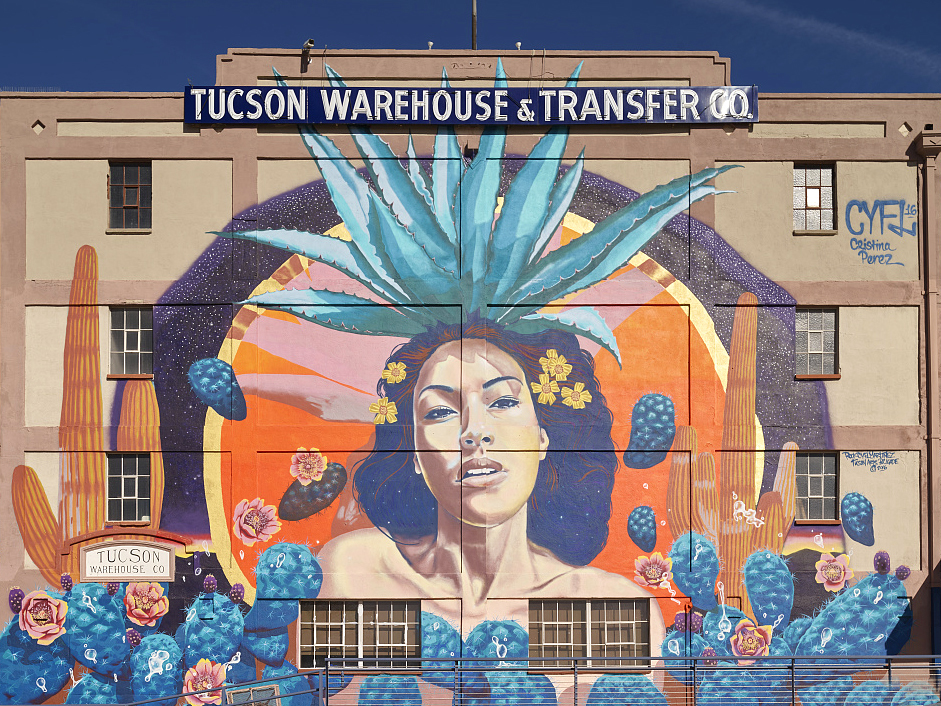
Image: Goddess of Agave by Rock “Cyfi” Martinez
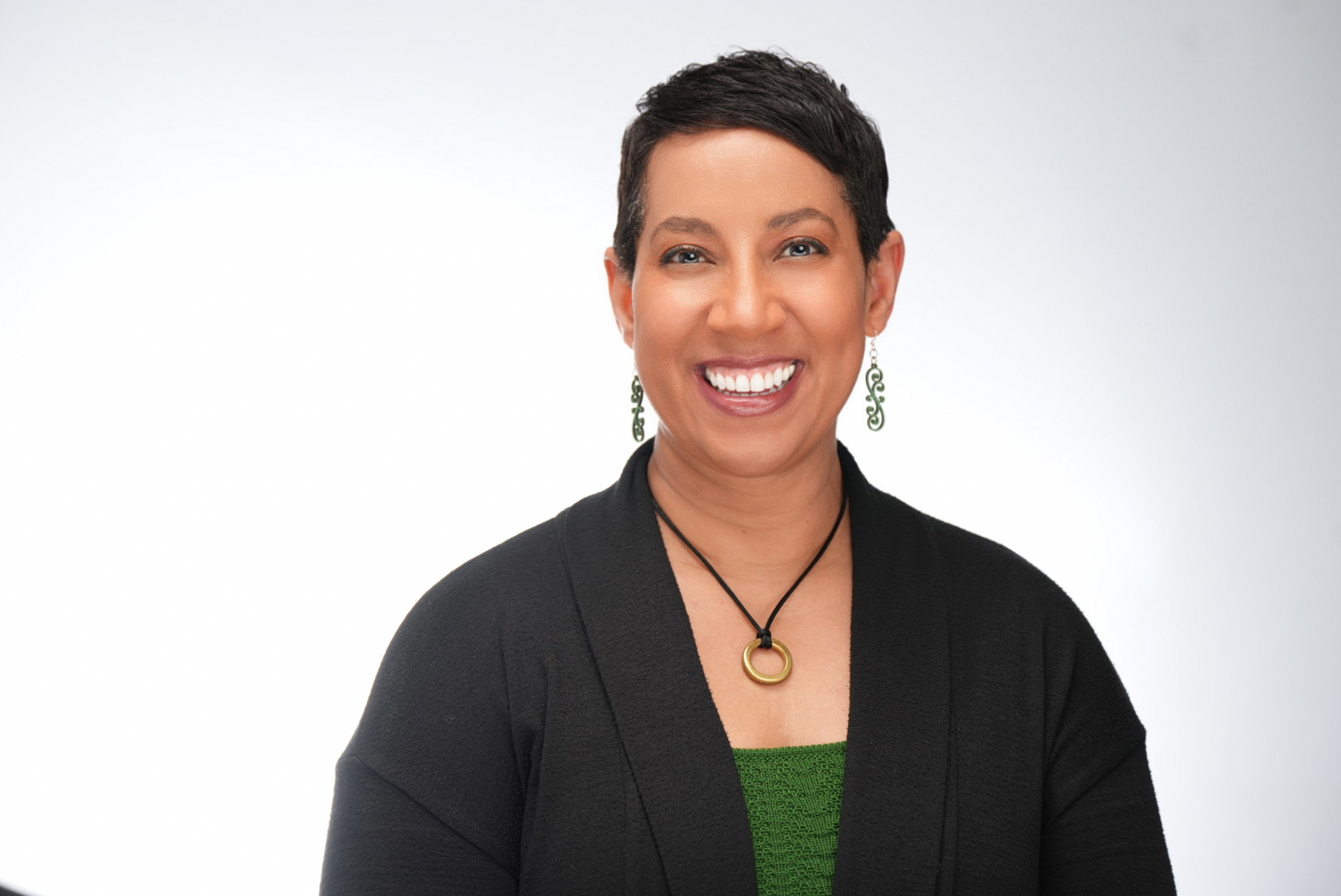
Meet the Author
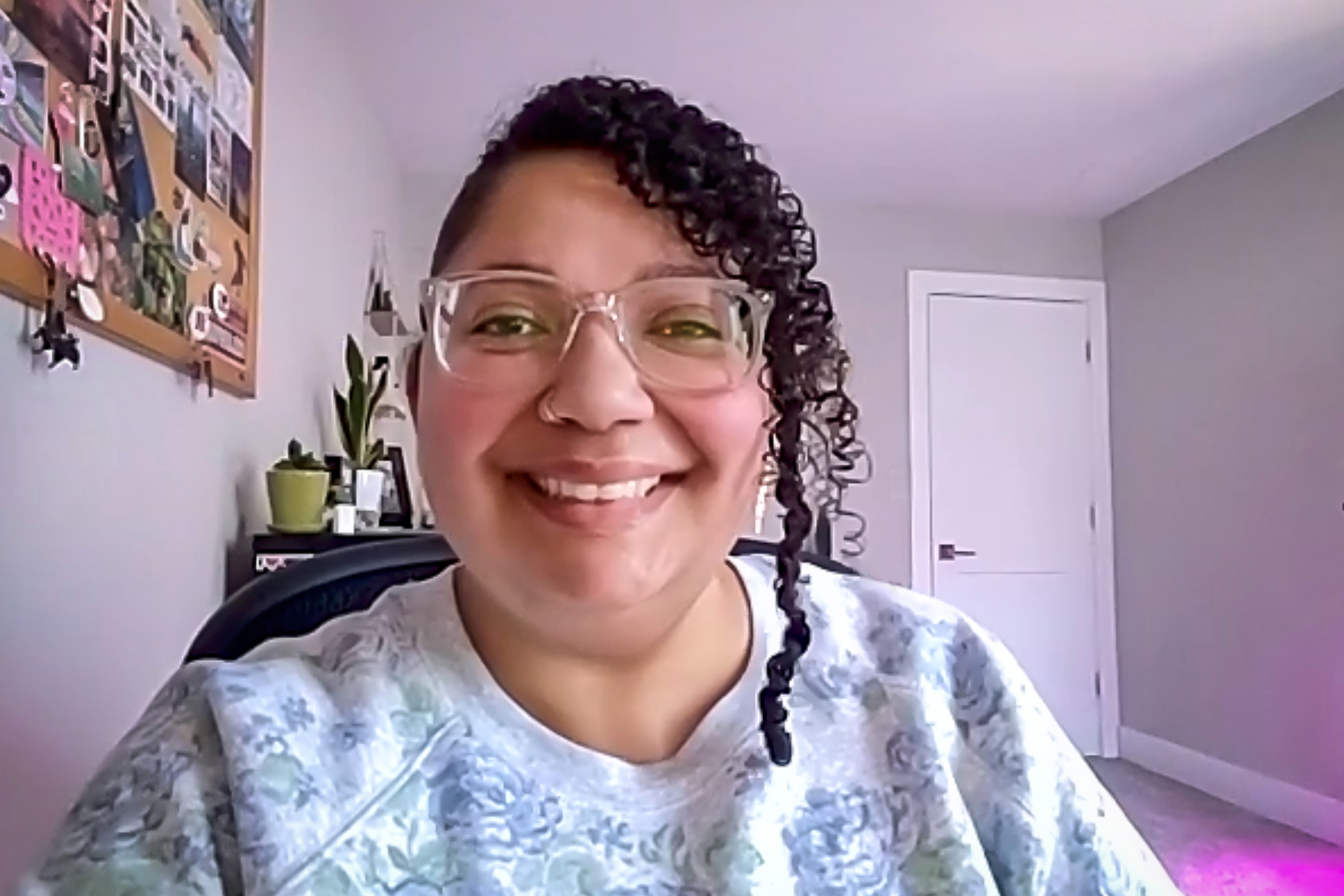
Altinay Cortes
Chapter Manager, PEAK Grantmaking

Dolores Estrada
Chief Operating Officer, PEAK Grantmaking
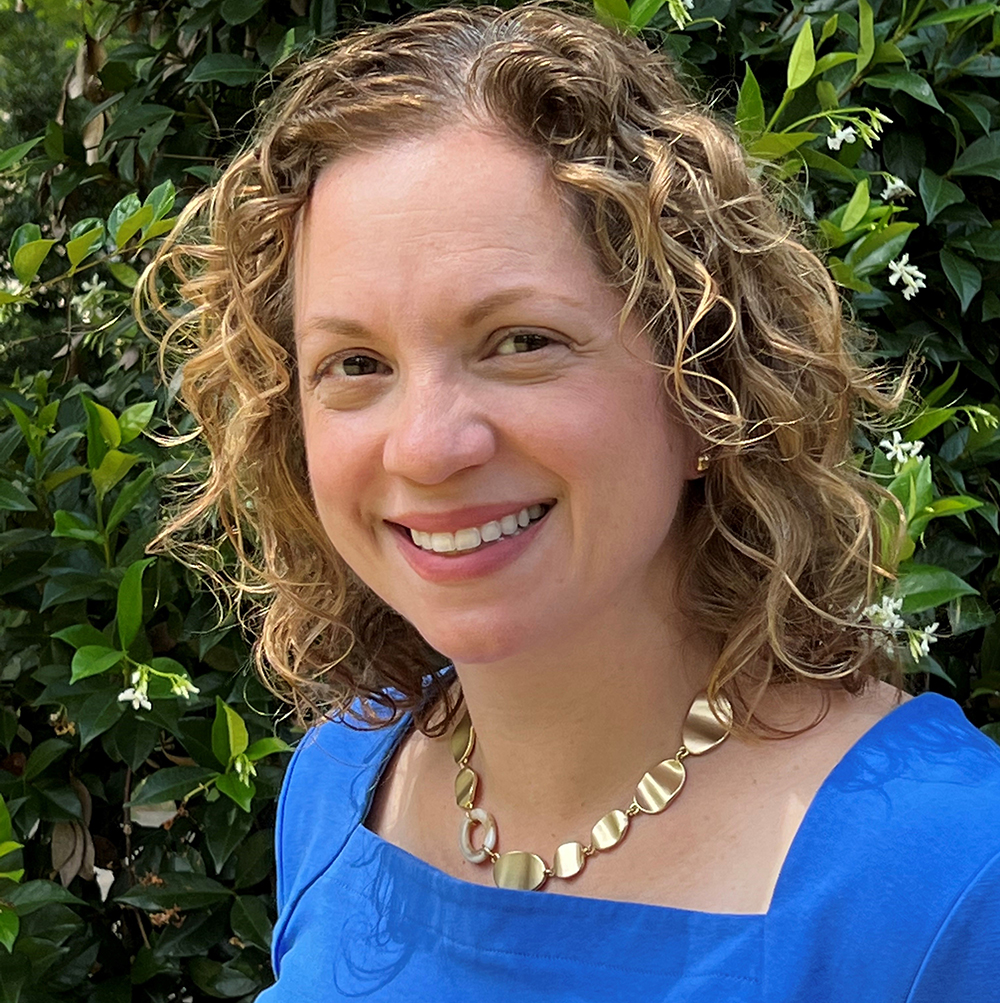
Lita Ugarte Pardi
Programs and Knowledge Director, PEAK Grantmaking
Principles for Peak Grantmaking
Read more insights related to this Principle:
Drive Equity
Related Topics
Diversity, Equity & InclusionRelated Articles
Intentional Relationships Require Courage: Five Undoings for Philanthropy’s New Year
READ
Advancing Equity Through HBCU Leadership
READ
Leading With Love and Finding Joy in 2025
READ