Journal | Issue 22
Partnerships & Collaboration
How Shattering Siloes Led to More Trusting, Equitable Grantmaking
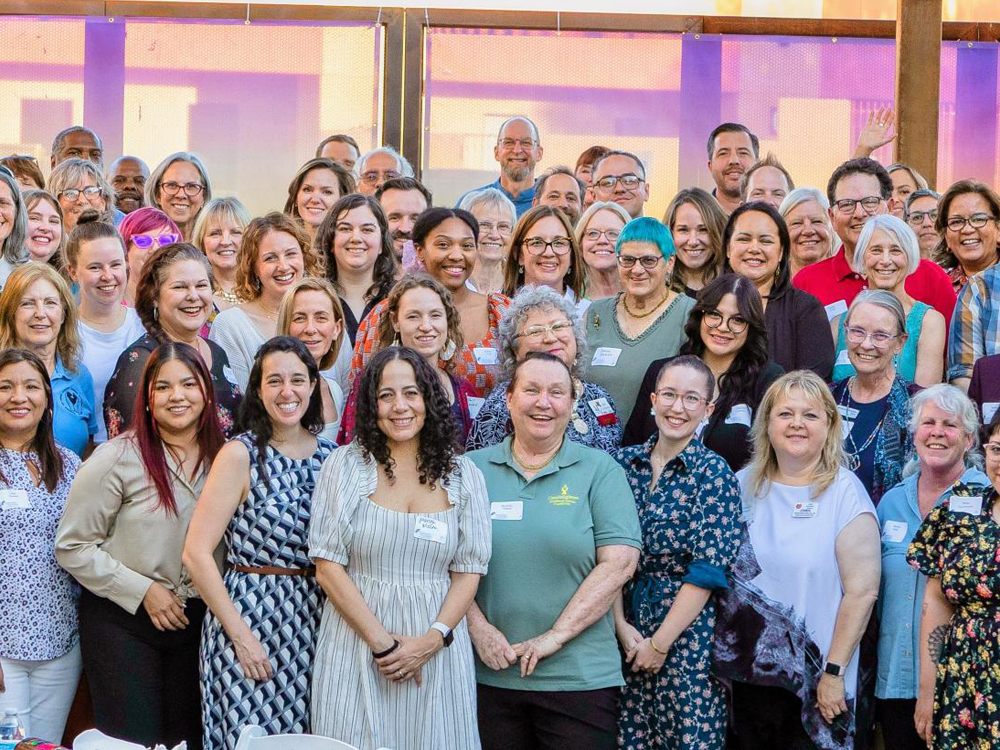
In 2017, the Community Foundation for Southern Arizona (CFSA) launched CORE (which stands for Community, Organizational sustainability, Results, and Effective programs) through a desire to provide more unrestricted support for nonprofits. CORE grants provide flexible funding for organizations to use as they see fit, that are not specific to any one program area.
The majority of funds held at CFSA are donor-advised funds dedicated to a specific area. This means funding for CORE came from a small pool of unrestricted funds. In the program’s first year, we were able to award just ten CORE grants of $30,000 each. The program was created at a time when our organization often functioned in silos and subconsciously viewed the grant rounds operated within our community impact (i.e., grants) team as separate from the funds and donors being stewarded by our philanthropy team.
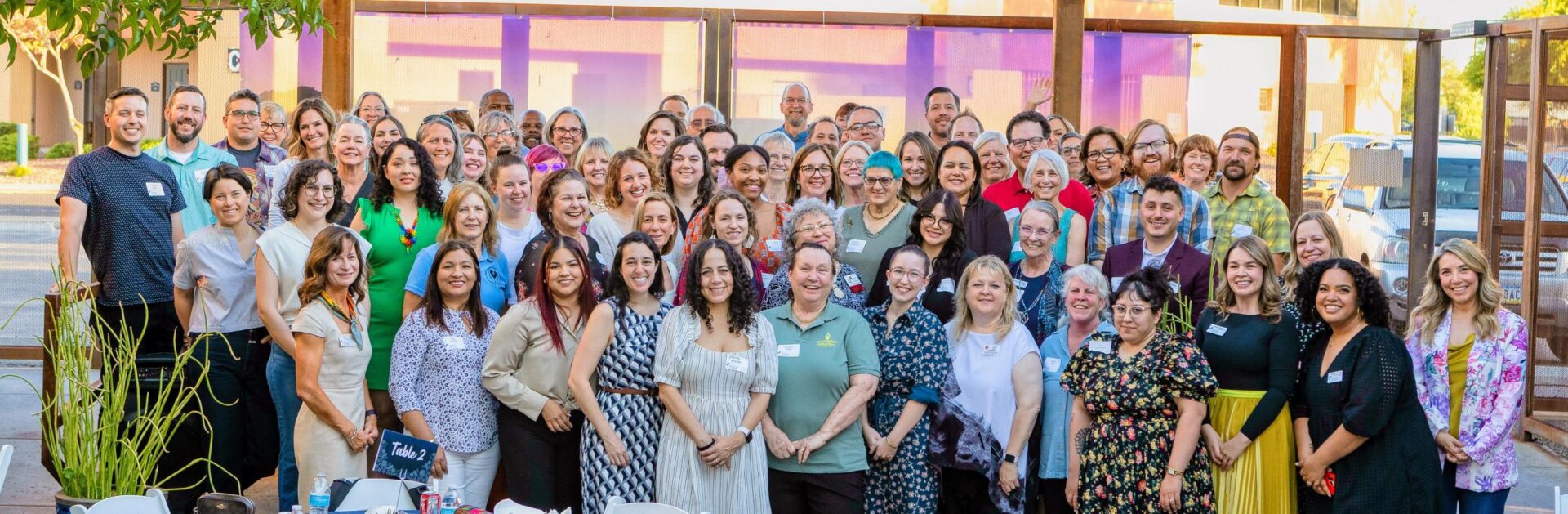
In year two, applications to CORE doubled, resulting in more demanding internal processes. Further, CFSA donors, realizing the impact of these unrestricted grants, expressed a desire to become more involved. To responsibly meet the needs of nonprofits and donors, CFSA strengthened the collaborative and cross-departmental relationships between multiple teams across the foundation. This has not only transformed the CORE Program, but our ability to build meaningful relationships with nonprofits and each other.
Cross-team collaborations
CORE touches every aspect of the organization, and multiple departments come together to facilitate the overall operation of the program from application design through grant processing. All staff members from the C-suite down to individual contributors have access to the planning process, and we meet annually to review grant applicant feedback and determine helpful changes to the program. Non-grants staff are also welcome to volunteer and support the vetting and eligibility screening of applicants, regardless of position or department, which gives them a better understanding of our work.
In CORE’s second year, the community impact team, responsible for the oversight and management of CFSA’s grants and initiatives, and the philanthropy team, responsible for the stewardship of donors and funds, established the CORE Donor Collaborator Program. The goal of this program was to increase the level of funding available to nonprofits by inviting CFSA fundholders and other foundations to invest in CORE grants by selecting groups recommended by the grant review committee to fund. Donor collaborators have enjoyed the opportunity to learn more about nonprofits that they might not otherwise know about and to increase the impact of their gifts by pooling their dollars.
To manage this collaboration, our community impact team leads the design of the application process. This team also supports the recruitment and management of a volunteer review committee consisting of community members from across our service region. In addition, our philanthropy team recruits donor collaborators by sharing their knowledge and guiding community members through the selection process. The teams then come together on one major element that has transformed our process for the better: recruiting and training donors and reviewers using a trust-based philanthropy framework.
Addressing power gaps
In 2022, CFSA adopted a trust-based philanthropy framework with guidance from the Trust-Based Philanthropy Project. The framework pushed us to recognize and change the inherent power imbalances between ourselves and nonprofits—and examine CORE to identify areas where we could be more aligned with community needs, including criteria, application design, communication, and transparency around the process.
Together, our internal teams transformed the way we trained reviewers and donor collaborators. Trainings focused heavily on grant criteria, what stakeholders could expect of the process, and what it meant to give in a trust-based way. We discussed power dynamics, focusing on implicit bias and creating space for in-depth, candid conversations on how those biases can show up. Reviewer and donor education increasingly focused on how nonprofits address the basic needs of an individual from physiological needs to self-actualization.
These trainings required donors and reviewers to acknowledge that their biases could signify a lack of trust. We challenged the types of questions they would regularly ask nonprofits: Is this additional information actually needed? Is a fear of mismanagement based on assumptions? Can you trust our teams to do the homework instead of making this a task for the applicant? Over time, we began to see shifts in how these stakeholders approached the process by making space for new voices, and donors and reviewers openly challenged their biases in our meetings.
What we learned
To our surprise, CORE also challenged biases each department had about each other’s work and priorities. Both teams came into the process focused on maintaining good donor stewardship and advocating for nonprofits. We sometimes disagreed on steps in the process, as a small change on the programmatic side could easily impact the experience on the donor side and vice versa. Working together allowed us to see that we shared a common goal: accessing more unrestricted funding to create greater impact in our community in a trust-based way.
The Collaborator Program also helped us better understand our donors—their passions, hesitations, and desires to learn more and be more engaged philanthropists. Their trust in us has increased our level of trust in each other. We learned to call each other in and make compromises that resulted in the best possible paths forward for donors, reviewers, and applicants. For these compromises to take place, everyone in the room had to be an equal player in the decision making and have a seat at the table.
This collaborative relationship has transformed our approach in other initiatives, programs, and projects at the CFSA. Instead of operating in a silo, we’re much more considerate of the impact of our work across the entire organization. We share the desire to do better by the nonprofits we fund, and we’re willing to do the hard—and sometimes uncomfortable—work it takes to get there.
Meet the Author

Laura Maher
Vice President for Philanthropy, Community Foundation for Southern Arizona
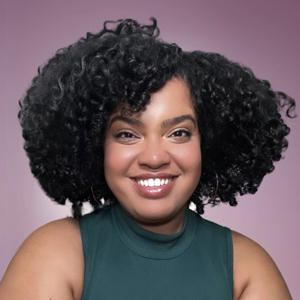
Jeaiza Quiñones Ivory
Senior Director of Community Impact, Community Foundation for Southern Arizona
Principles for Peak Grantmaking
Read more insights related to this Principle:
Steward Responsively
Related Topics
Partnerships & CollaborationRelated Articles
Reimagining Philanthropy Through Shared Power: Thrive's Community Grantmaker Initiative
READ
Intentional Relationships Require Courage: Five Undoings for Philanthropy’s New Year
READ
To Achieve the Change We Need, We Must Embrace the Full Potential of Philanthropic Capital
READ