Colearning Across Organizations: How two grants management leaders supported each other’s learning journeys
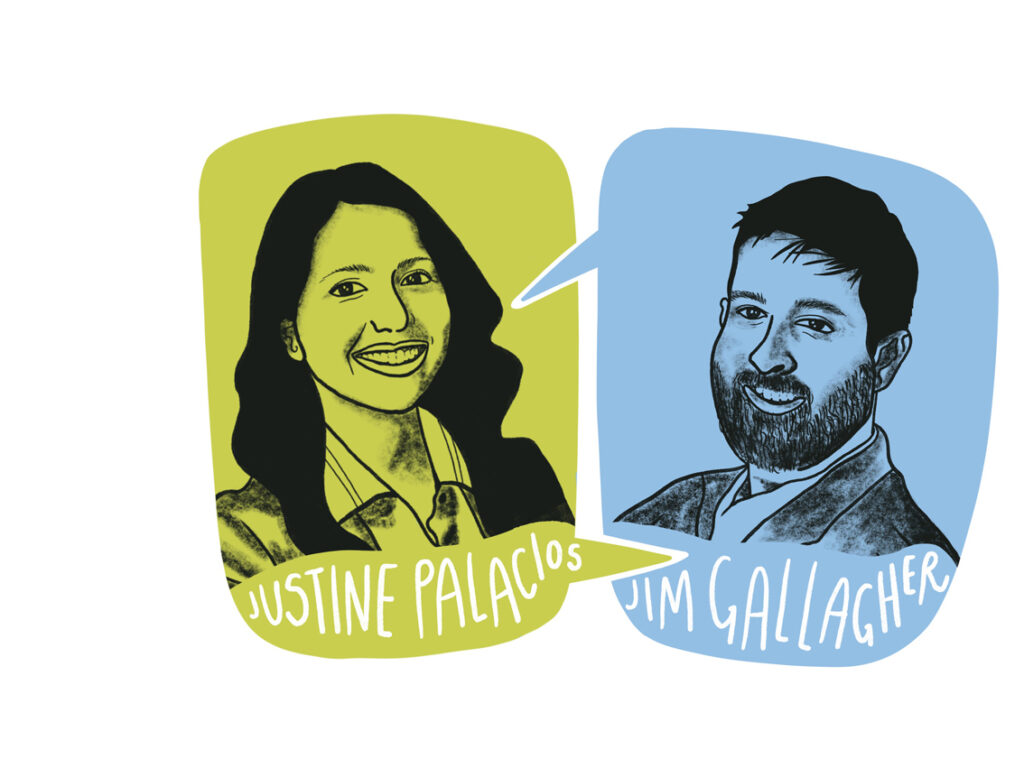
Peer learning can be a powerful way to navigate the demands of a particular organization or profession, but in philanthropy it can feel difficult to define a true “peer” organization. Many discount the sector’s variation of organizational structures and roles with the classic line, “If you know one foundation, you know one foundation.” Translation: our way of working is so niche that investing time and resources with peers on idea generation is all well and good, but not likely to have a material impact on our work. However, as grants management professionals we are well-positioned to promote a shared learning culture, even between organizations that might not seem like obvious peers.
For example, Arnold Ventures and the Ford Foundation share a focus on systems-level change, even as each conducts its work through very different operating models and funding strategies. The Ford Foundation is a private foundation, while Arnold Ventures manages its philanthropic giving through a variety of entities including a private foundation and a donor-advised fund. While both organizations share areas of thematic overlap such as criminal justice reform and climate and clean energy solutions, each also works in several strategic funding areas with distinct theories of change. As far as specific grantmaking practices, while Arnold is beginning to explore the use of alternative investment structures, Ford created an entire team to specifically focus on mission-related investments in 2017. The differences in these operating models and grantmaking practices may seem greater than the similarities, yet they highlight multiple pathways to systemic change.
A healthy diversity of philanthropic structures creates a tapestry of varying approaches to common challenges in grant practice, including the ongoing need to advance equity and efficiency across the sector. For example, PEAK and other networking spaces promote collegiality within the field that creates an environment for ideation and action. This became particularly clear at the start of the pandemic as many of us worked to implement responsive and flexible grantmaking options for our nonprofit partners. And this work continues, as we strive to build a future state where equitable and impactful practices are sector norms rather than trends. The chance to engage with like-minded peers in this conversation is a luxury of the philanthropic sector, where individuals and organizations are not in competition for scarce resources but can support and enable each other’s success.
One way to leverage this opportunity is to infuse emergent learning practices throughout your organization. Emergent learning can facilitate a culture of safety, learning, practice, exploration, and even accepting occasional failure among peers to help advance principled grantmaking throughout the sector. This year, we embarked on our own emergent learning journey to evaluate our respective vision and goals as leaders of the grants management function within our organizations. Over the past several years, we have both moved into new leadership positions, and navigated the transition from individual contributor to manager without a detailed playbook, especially during this extraordinary time of a pandemic and social unrest. In our early conversations, we identified these and other shared experiences that led to an organic collaboration over the summer where we explored emerging ideas and challenges in our work.
First, we grounded our conversations in the fundamentals of management, discussing effective reporting and meeting structures, navigating the transition from peer to manager, leading through a time of uncertainty, and identifying opportunities for professional development and growth for ourselves and our teams. In this way, we served as informal coaches for each other. We compared the nuances of our respective grantmaking processes, gleaning insight about different motivating factors, values, and objectives that guided our work. Through this, we were able to unearth the distinct experiences for our shared grantees during the proposal development and reporting processes. As a result of these conversations, we were able to both reaffirm certain decision-making and articulate potential opportunities for change management, mindful of the different stakeholders, priorities, and opportunities within each of our organizations.
We designed the emergent learning journey with a clear start and end point to manage our time and were very intentional in selecting meeting topics, leaving room for impromptu discussion of topics with more urgency. We acknowledged our different backgrounds and pathways to grants management as a reminder of why we made a commitment to this work. We also expanded the conversation to include internal colleagues from other departments—legal, program, information technology—for their input and advice. Finally, we rescheduled meetings when necessary, but respected the process with a commitment to close the loop by sharing our respective outcomes. In the end, our emergent learning journey proved to be an effective method for peer learning. We did not seek uniformity of practice or policy change within our organizations—that was never the point. We shared important challenges in our day-to-day work, discussed career paths and aspirations, and laid the groundwork for future collaboration.
Whether you are new to the field of philanthropy or grants management, or your role skews more towards information technology or people management, or you are a one-person shop within your organization, you also have access to PEAK’s extraordinary professional network and its growing body of knowledge. Grants management professionals can advocate for and create both structured and informal learning opportunities, based on career track, inclusion or identity, to name a few. We owe the success of our emergent learning journey in large part to the many PEAK members who selflessly lend their time and energy to our shared success as a community. These professionals inspire us with their work to advance peer support and emergent learning models, before these concepts had a name. In that spirit, here are a few takeaways from our experience:
- Leverage PEAK’s national or local networks to make connections with both common and uncommon partners—or play a matchmaker role when you see potential allies. A trusted colleague introduced us when she saw the potential for a peer-to-peer learning opportunity. From there, we met several times to build rapport and pitch ideas for our collaboration before scoping it all out. There are countless potential matches within our community waiting to happen. We encourage seasoned PEAK members to be a matchmaker when you see potential connections; and new members to seek out partners based on your interests.
- Center yourself and create space for your own learning journey. How much time or bandwidth do you have to add another activity or working group to your schedule? Likely very little. Nevertheless, we encourage grants management professionals to center self, role and future into your routine each week. Spend time over the holidays to develop an elevator pitch about your path for professional development and learning next year. Your journey can and should be unique to you. Think about a menu of choices from mentorships to structured training courses to emergent learning opportunities and beyond. Prioritize this conversation with your manager as part of your ongoing meetings and annual performance discussions and seek and share feedback throughout the year.
- Approach peer learning with intent. Engaging in an emergent learning journey requires a great deal of trust and accountability, and may lead to times of vulnerability. Make sure to identify and agree to expectations and norms with your partners up front, whether your journey is peer-to-peer, in a small group, within your organization, virtual or in-person. Check in from time-to-time to ensure that you are creating an environment based on mutual respect, confidentiality, and the suspension of judgment. Be curious and practice techniques like deep listening and resonance to ensure that each person’s words, emotions and intentions are valued and understood.
- Remember your North Star. Think back to elementary school. Was your career aspiration to become a grants manager? Ours neither. And yet, something drew each of us to this work. Bridging the gap between programmatic strategies and effective grantmaking operations is a powerful catalyst for change in the social sector. Supporting the work of individuals and institutions fighting for a better future is a worthy career path. Do not forget your North Star. Follow it in pursuit of your own learning journey.
Meet the Author

Jim Gallagher
Director, Grants Management, The Ford Foundation

Justine Palacios
Vice President of Grants, Arnold Ventures
Principles for Peak Grantmaking
Read more insights related to this Principle:
Learn, Share, Evolve
Related Topics
Career DevelopmentRelated Articles
Exploring the Evolution of Grants Management
READ
How to Become a Change Leader
READ
The Power of Mentoring
READ