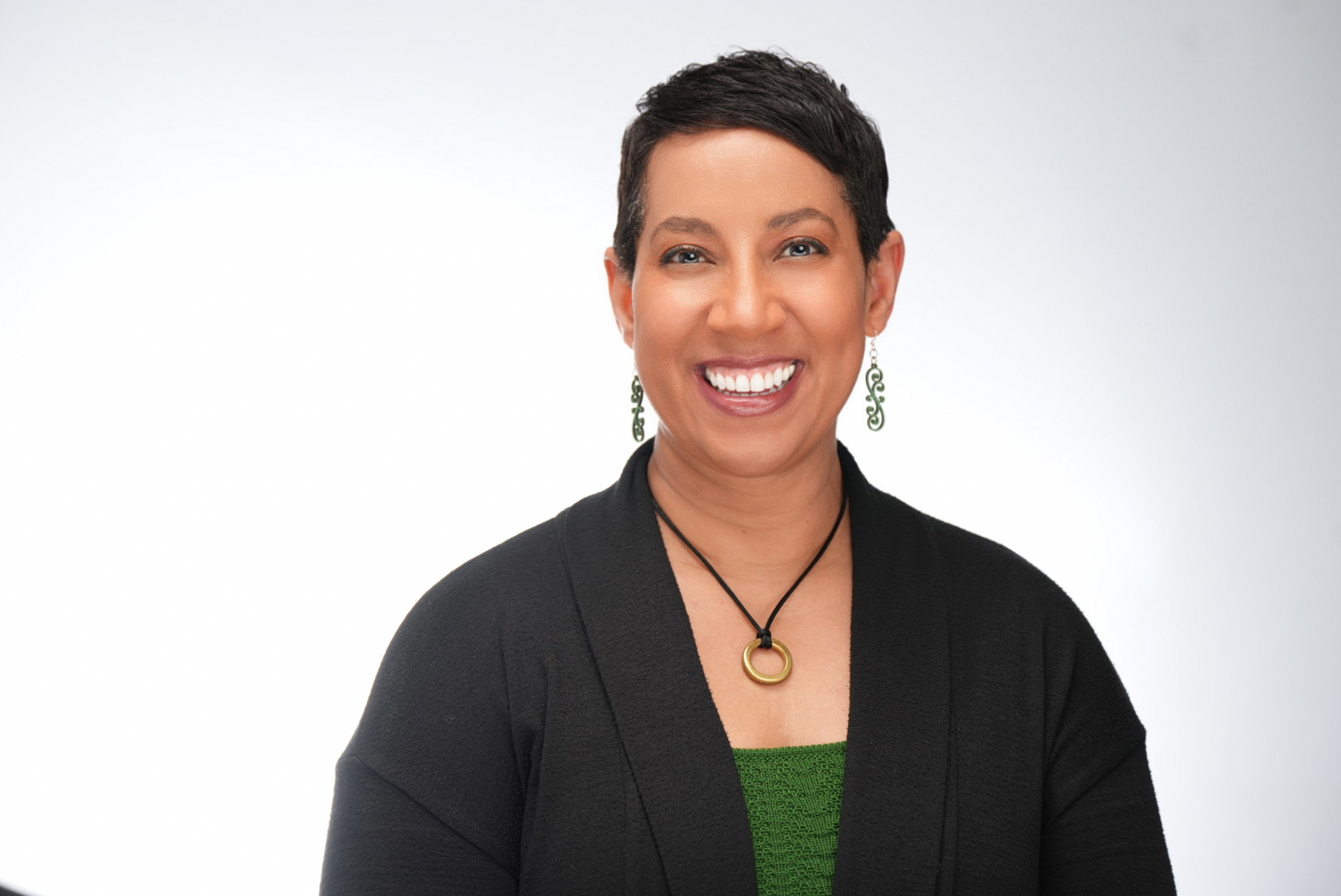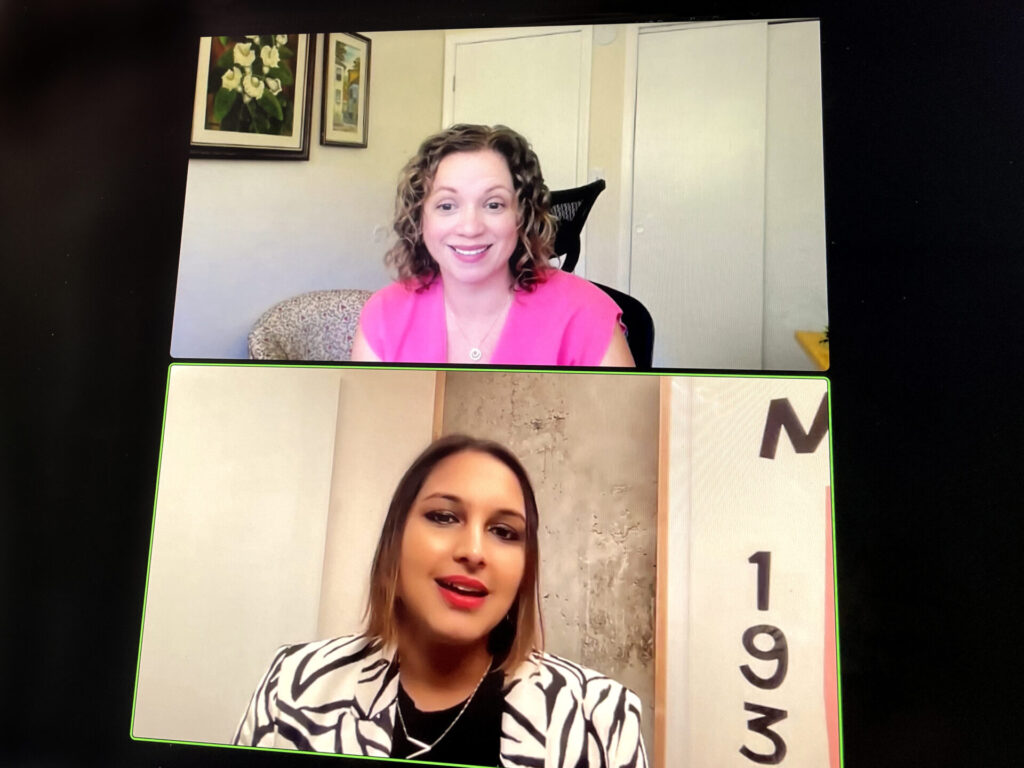
Author and leading diversity, equity, and inclusion expert Ruchika Tulshyan, is an award-winning strategist whose latest book, Inclusion on Purpose, examines how leaders can use their positions of power and privilege to include and elevate the voices of those who have been historically excluded. PEAK was pleased to have Tulshyan as a guest speaker at our 2022 Volunteer Leadership Summit where, in conversation with Programs and Knowledge Director Lita Ugarte Pardi, she challenged organizations to develop more empathy, diversify their partnerships, and implement more inclusive practices. Highlights from their discussion follow.
Pardi: Tell us a little about your own career journey and what brought you to write your book.
Tulshyan: I was born and brought up in Singapore and moved to the United States as an adult. I had a lot of diversity around me very early in my life. Singapore is a very special example of a place where truly your neighbors, the people you go to school with, and your friends are people from different backgrounds. When I moved here—the most diverse country in the world—I thought that, of course, people are just going to know how to interact with folks who are different than them. It was very surprising to move here and learn that that’s not the case. Many Americans have very cursory interactions with people who are different than them—their social circles are very much made up of people who look the same, are of the same religion, and who have the same political beliefs.
But there’s a great opportunity in cultivating diversity, equity, and inclusion in the workplace because, as research shows, the first time many Americans meaningfully interact with people who are different from them—racially, ethnically, especially—is in the workplace.
Pardi: You also have done some work around imposter syndrome. You wrote “Stop Telling Women They Have Imposter Syndrome” with Jodi-Ann Burey for the Harvard Business Review in 2021 and it’s now among HBR’s top 100 most-read articles. So, it clearly hit home with millions of people across the globe. What led you to write that article and how does that connect to your laser focus on DEI?
Tulshyan: In the early days of the pandemic, I kept getting invited to all these conferences and webinars to help others get rid of their imposter syndrome. It truly felt like a cognitive dissidence because, on the one hand, we were dealing with the painful, scary reality of COVID-19, and then on the other, there was this constant blaming of what women, people of color, people with other marginalized identities need to do to succeed in the workplace.
And I was a journalist and I’ve been writing for the internet for a long time, but my collaboration with Jodi-Ann was the first time I’ve had that kind of an impact.
Our message is to operate from the mindset of abundance that we all inherently have inside us, and that what we each bring to the table is meaningful and valuable. In addition, for people who, through no fault of their own, carry privileges, there are opportunities to widen the table and ensure that it’s not just your voice that carries. Each of us has a very important part to play in creating a better society, especially in the work that we do. And rather than fit into an existing mold, what’s more important is being able to bring your full, authentic selves into the workplace and be recognized for it.
Pardi: But sometimes we doubt ourselves as being experts. We know we need to have a place at the table, but we can’t figure out how to get there.
Tulshyan: The further you have been from the center of power and advantage, the more you’ve been shown that the way you authentically are is not welcome and that the way to get ahead is to change yourself. That dynamic makes it hard for people to bring their best selves to the workplace and bring what’s unique and special about them when looking at a problem. It makes sense that self-doubt is prevalent. But the differentiator between people who feel self-doubt but are able channel that into success and into feeling that sense of belonging and, and those who haven’t is having peers, managers, and leaders who say, “I believe in you. I know what you’re bringing to the table is going to make us a better organization. We’re going to do better by our partners and the communities we serve because you bring who you really are right to the table.”
Beyond that, you can make sure your hiring process is more equitable, look at the demographics of which communities you are serving. Wherever you sit, there are opportunities to make sure that we aren’t treating people differently and show up in our interactions with more intention.
Pardi: Let’s switch gears to your latest book, Inclusion On Purpose, because I think so much of what we’ve been talking about is around inclusion.
Tulshyan: One of the main ideas is that leaders have a lot of good intentions, but good intention doesn’t always translate to good impact. How do we really unpack that? What is the work that needs to be done for us to develop more empathy for us to diversify, for example, our social and professional networks? What is the work that needs to be done there as an individual and then as a collective at an organization?
Pardi: How does psychological safety play into being inclusive on purpose?
Tulshyan: We all have an opportunity to uplift and show up for people in a very meaningful way. Ask yourself: How do I really connect with others? How do I see if there are ways that I have social capital that can be used and energized and catalyzed to benefit those who may not have the same privilege and the same advantages? Here’s a personal example. I met Megan Reitz at a conference, we chatted, and at the end of our conversations, she said “We’ll keep in touch.” And we did. She interviewed me for her amazing body of research and she has lifted up my name in rooms that I can’t even imagine.
When Google did a study of their most high-performing teams, the single factor that stood out was that those teams had psychological safety. The people on those teams felt like they could speak up, take risks, fail and not risk losing their job or respect or status in the organization.
So how can we create more psychological safety on our teams? The more privilege and the more status you have, the more psychological safety you have. So talk about mistakes and how you failed.
Pardi: I would love to hear your thoughts on how organizations can really normalize the conversations around failures or even talk about taking risks because we’re afraid of making mistakes.
Tulshyan: For this, I’m going to turn to a different concept: the difference between cultural competency and cultural humility. Cultural competency is about understanding the challenges that a community has and how that community operates and asserting that your approach to solutions is best. A lot of the work in philanthropy has for decades focused on cultivating cultural competency. Cultural humility is about having conversation to welcome community voices to the table and show that we value their lived expertise and their solutions to their challenges.
But we don’t quite know how to do this or to have the humility to acknowledge we don’t know how to do this. We might stumble a bit and we might say the wrong things because we’re trying something different.
Doing meaningful work will likely mean that we go into a community that perhaps we’re unfamiliar with. And it takes time to build that trust. So build time into your project to be able to build that trust knowing that in the short term you might have to slow down and that you might not make your deadlines. But in the longer run, can you imagine how transformational your impact would be if you slow down in the beginning to build real relationships?
Meet the Author
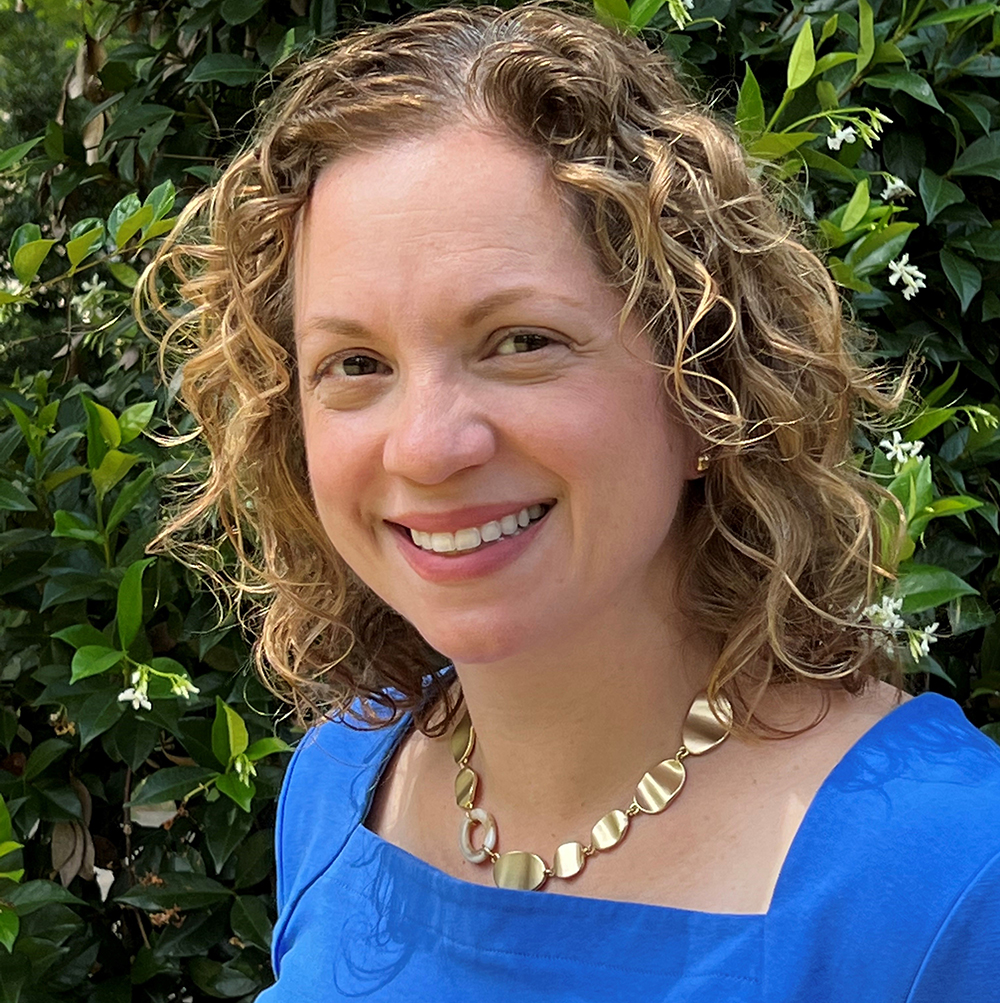
Lita Ugarte Pardi
Programs and Knowledge Director, PEAK Grantmaking

Ruchicka Tulshyan
Author and Founder, Candour
Principles for Peak Grantmaking
Read more insights related to this Principle:
Drive Equity
Related Topics
Diversity, Equity & InclusionRelated Articles
Intentional Relationships Require Courage: Five Undoings for Philanthropy’s New Year
READ
Advancing Equity Through HBCU Leadership
READ
Leading With Love and Finding Joy in 2025
READ