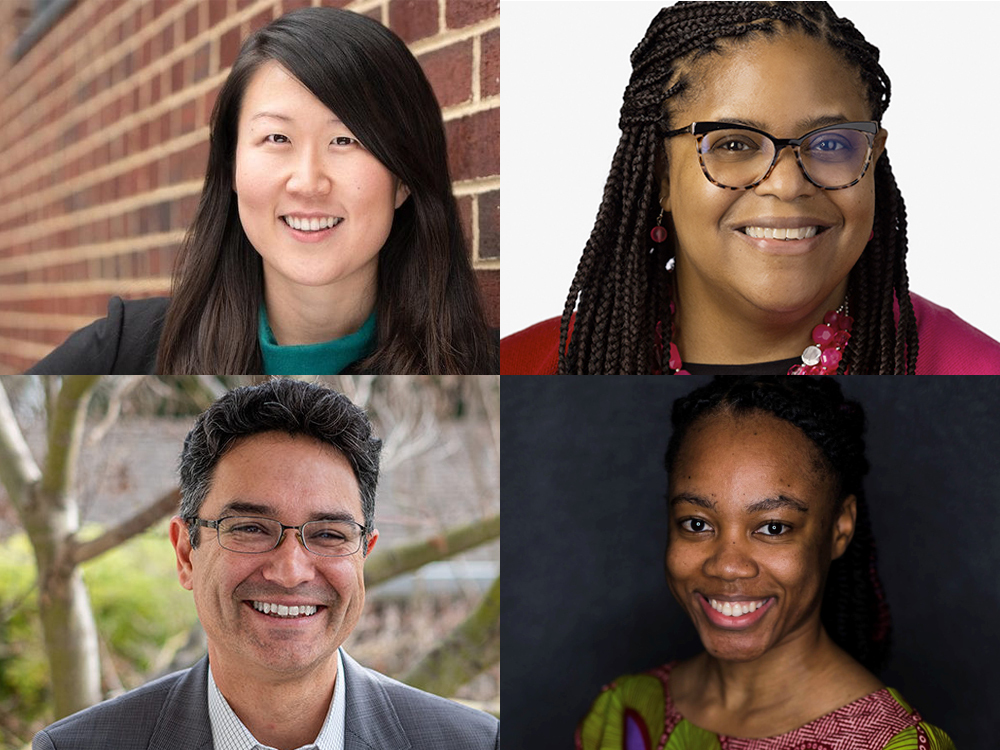
Grants management professionals might not instinctively see themselves as leaders, especially if they don’t see a career path that leads to managerial roles. And even then, that might not be a trajectory that every person wants. But leadership has many faces. Consider, for example, the corps of PEAK volunteers who lead communities of grants managers across the country and who are instrumental in building the sector-wide expertise needed to make philanthropy more efficient, effective, and equitable. They lead peer networks, participate in our advisory councils and committees, serve on PEAK’s board, and are some of PEAK’s greatest champions.
That’s why PEAK’s 2022 Volunteer Leadership Summit closed out with a panel discussion that prompted the some 100 volunteer leader attendees to reconsider what leadership can look like in the workplace. “Sometimes we conflate management with leadership,” facilitator Adin Miller, executive director of the Los Altos Community Foundation, said in his opening remarks. “I would actually offer the proposition that, to be a leader, you don’t need to have the upper-level title, and you don’t necessarily need to have management experience. This conversation is a way for us to reaffirm that and to explore what it means to be a good leader.”
Here, we’ve published a few of the insights offered by Katz Foundation Senior Grants Manager Jina Freiberg, Pittsburgh Foundation Director of Grantmaking Traci Johnson, and Starr Foundation Assistant Vice President Abigail Osei. We think they’ll inspire you to see yourself as a leader from where you currently sit and to see new possibilities for your career.
On the qualities of leadership
Osei: You don’t necessarily need management experience to be a leader. I look for people with good communication because leadership is about multi-directional, collaborative relationships whereas management works in one direction and is more authoritarian. But you need good communication and you need clarity and vision because leadership is also about influence.
Johnson: A leader is someone who is people centered. Is it more important to be goal-oriented or to be present? A goal will always be there, but a good leader is always present. They’re always people centered. They’re concerned about those that they are working with to make sure that humanity is centered and that that each person is okay. A manager just wants to make sure that the work is great. A true leader not only wants to see that the work is fine, but wants to know that you are okay and that you have everything that you need in order to be successful and to grow.
Freiberg: Both managers and leaders have to take on so many additional responsibilities. Oftentimes, leaders have a go-go-go mentality. But it’s important to not only keep your focus on whatever task there is, but to not get distracted and slow down if you need to. Being present and giving your full attention and presence to a colleague or someone who reports to you is super important.
On navigating leadership challenges
Johnson: I lean into my network when I have challenges, when I have questions about the best way to approach something, or if I need recommendations. I also manage the conversation I have with myself [when stress and self-doubt sink in]. What happens when I say, this isn’t about me, this is about me bringing change to my community? What happens if I say, yes, I’m going to mix my expertise with the expertise of others to learn a new way of doing things? When I change the conversation that I have with myself, it shifts the perspective. It changes how I see things. I don’t need to talk to my inner critic. I need to talk to the superwoman who may not have her cape on, but she still got her crown on, and that’s who I need to talk to in order to accomplish what I need to accomplish.
Osei: When I started working and was the youngest by decades at the foundation, I struggled, as I got more and more responsibility. I struggled with sharing my vision or telling people older than me when they were wrong because in my culture, it’s not something that you do. But I found a mentor who would coach me. If you notice someone and see their potential, and know they want to do something but they’re just not quite there yet, take them along with you or speak up for them so that you can help them along. That’s also part of leadership.
Freiberg: What’s been helpful in my career is just relying on my colleagues, whether it’s within my organization or outside. When I was looking at other opportunities and transitioning to my current job, I had so many one-on-one meetings, many of which were with PEAK members. I just feel comfortable because I’ve built trust over the years with them. They are some of my biggest cheerleaders and supporters, and they also provide practical help and connections. And as Tracy mentioned, consider self-reflection and take a step back. There were times when I would start having self-doubt and imposter syndrome because I was being challenged in a very negative way in my role. But deeper self-reflection had me thinking, “Hey, you’re, you’re not a bad grant manager. Look at all the successes you’ve had in your career. Look at where you are now from five, three, ten years ago.”
On supporting your career trajectory as a leader
Johnson: Be open to learning—even if something is outside of your comfort zone. You never stop learning on a leadership journey. And if you decide that there’s nothing else left to learn, it’s at that point that you have sabotaged your own leadership at that point because you’ve closed yourself off to innovation, creativity, and vision.
Freiberg: Support one another, whether it’s within your organization or the larger grants management community. One of the most important things about being a good leader is to lift up your peers. That can be job references or giving them a shout-out internally or externally, because I do believe that it comes back around to you. Being supportive creates community value for all of us as leaders.
Osei: I want to share what I’ve been learning in the field with college and high school students. I’ve been on a personal journey to highlight our field. As a Ghanaian, we have a lot of doctors, we have a lot of nurses, and we have a lot of lawyers. We don’t have a lot of other things. I want to talk to younger people so that they can consider the option of entering our field, and then our field will be more diverse, and then our field will hopefully be better in the future.
Interested in volunteering with PEAK? Click here to learn more and explore current opportunities.
Meet the Author
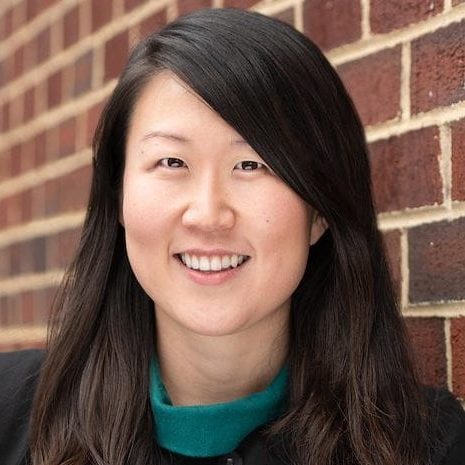
Jina Freiberg
Director of Grantmaking, Pittsburgh Foundation
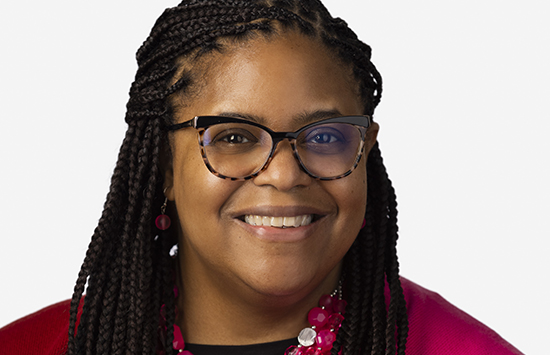
Traci Johnson
Director of Grantmaking, The Pittsburgh Foundation
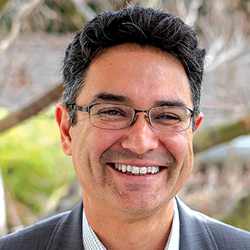
Adin Miller
Executive Director, Los Altos Community Foundation
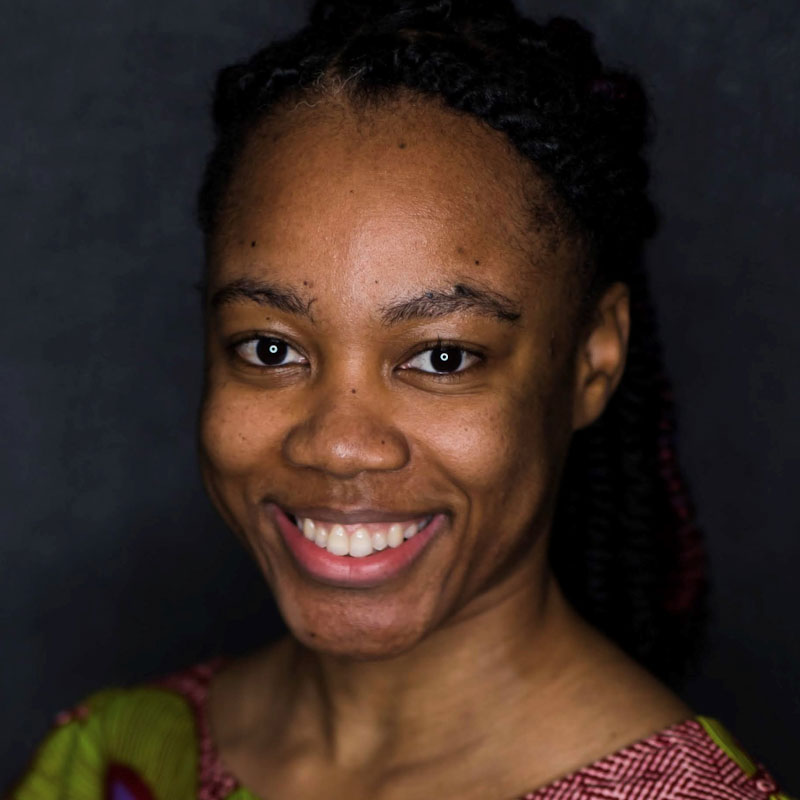
Abigail Osei
Assistant Vice President, Starr Foundation
Principles for Peak Grantmaking
Read more insights related to this Principle:
Learn, Share, Evolve
Related Topics
Career DevelopmentRelated Articles
Exploring the Evolution of Grants Management
READ
How to Become a Change Leader
READ
The Power of Mentoring
READ