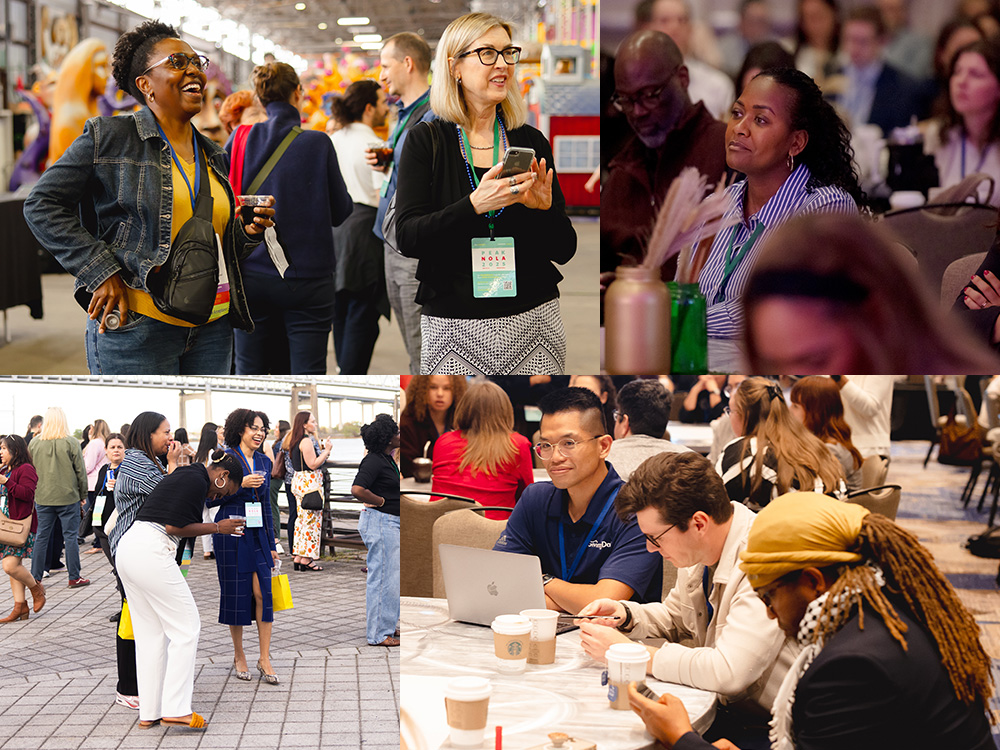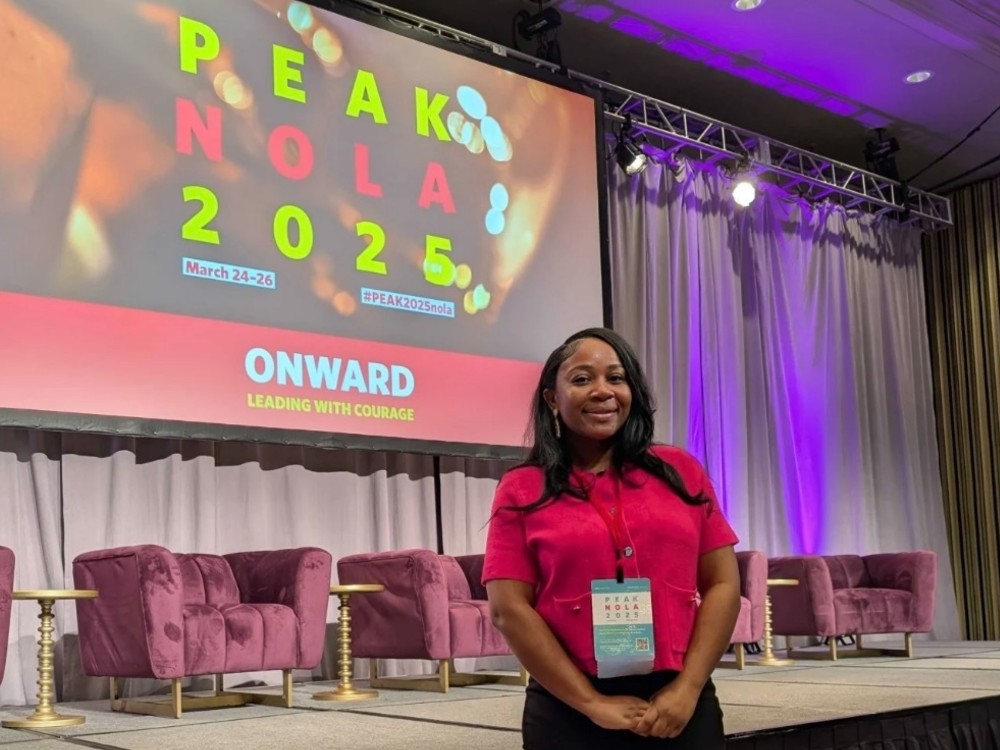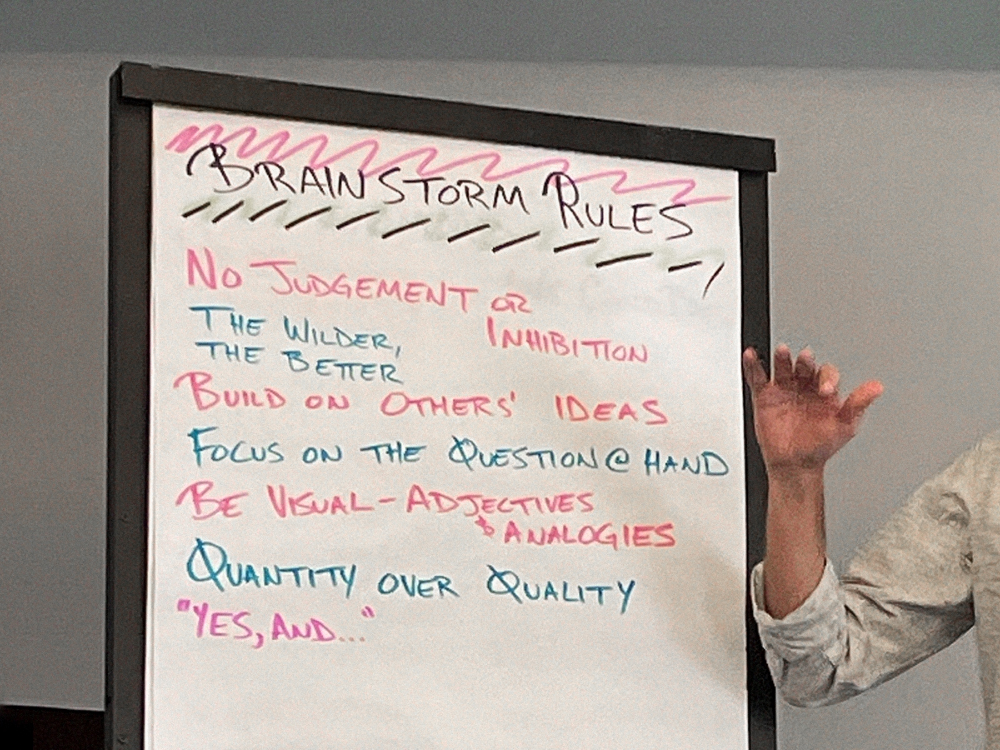
During the final week of July, PEAK staff and board members gathered for an inclusive convening focused on connecting, learning together, and strategically planning for the future. One session led by consultant Daniel Weinzveg, who has a master of arts degree in organizational dynamics and is the author of Generating Group Genius: Creating Cultures of Creativity, Trust & Performance, focused on collaborative leadership. It was an opportunity for PEAK staff to develop a greater awareness of the interpersonal skills that foster an organizational culture where everyone feels respected, heard, and empowered to lead from their seat. Here, Weinzveg offers practices and insights that will help you create an organization that can have greater impact because it is more inclusive.
Meetings can be a simple and powerful way to shift culture, the persistent problem though is meetings tend to be the place where bad habits are reinforced. Some of the most common bad habits show up in how power is wielded, whose voices are heard and how decisions get made.
While organizations tend to have very laudable missions and values, in practice, we find base human psychology and physiology reigning supreme. What I mean is that the person in the meeting with the most power tends to talk the most, have their opinions/ideas forwarded and their decisions defended with the most fervor. People tend to agree with the most powerful person in the room, which invites group think and confirmation bias. Why convene a group to think, consider or collaborate, when at the end of the meeting the highest paid person in the office’s opinion (a.k.a. the HiPPO Decision-Making Model) is the only one that had a chance?
In addition to the problems of the HiPPOs, meetings also help reinforce cliques. Ever notice how quickly we self-assign seats in these settings? This means we typically sit next to the same people, which is limiting our ability to connect with others. Sure, office politics are real and there are some people whom you just don’t care for at work, but by ignoring and avoiding them, we only further cement the narratives we have about the “other,” and inhibit opportunities to see different perspectives and build bridges. New connections (physical and emotional) create increased understanding and trust, which are the foundation of healthy relationships, which is the fertile soil of powerful collaboration and contribution. When we allow ourselves and our teams to remain in cliques, we reduce the opportunities for innovation and increase the possibilities of groupthink.
The final bad meeting habit I see organizations tolerating is shallow listening. This looks different at times, but the results remain the same—low engagement, little empathy, shallow understanding, and protracted productivity. All of this undercuts the ability for trust to emerge and creativity to flourish. Shallow listening looks like side-bar conversations, noodling (a.k.a. playing with your personal technology device, such as watch, phone and computer), and rushed agenda items. When we are in shallow listening mode, we are not listening or thinking deeply. We are not curious. We are not clear. Our bodies are present, but our minds are somewhere else.
If we change the structure of meetings, we can create spaces where most of these habits do not have the chance to rear their ugly heads. By closing the space for these habits to fester in the 15 percent of time an organization meets, we can begin changing habits and patterns of the 85 percent of the time spent doing the work.
To unleash the torrent of energy needed to elevate and affect what you seek to shift in the world, you need to unleash a few other things first, all of which can be done most effectively in a meeting.
Clarity: Individuals, teams and organizations must be clear on their goals, roles, and processes if they are to efficiently and effectively move forward, fast, in the same direction. Holding conversations that illuminate, clarify, reiterate and/or negotiate the goals, roles, and processes in meetings is the most efficient way to get the buy-in and accountability needed. By having these discussions as face-to-face conversations, in front of the most impacted and involved stakeholders, you gain and maintain the support, focus and accountability needed to succeed.
Alignment: If a meeting is participatory, participant driven, fun and focused, you can build the role, department and/or organizational alignment needed to move from A to B, or to simply get unstuck from the current state. Get together face-to-face and begin to clarify, dream and plan how to realign and get back to trust and performance.
Action: Meetings, when designed and facilitated effectively, inspire action better than any email, memo, intercom announcement or cooler-side conversation ever can. Moving groups into action requires the transfer of energy to spread throughout the stakeholders. Doing so in a shared setting (retreat, town-hall, meeting, confab, whatever) is a contagious way to kick-off action, and when effectively kicked-off, the results will be, well, real results: the impact of your group’s action.
Celebrating and learning from results: Learning and celebrating is essentially about pausing to recognize, acknowledge, give gratitude, and develop a shared understanding. Debriefs, after-action reviews, award ceremonies, and such are opportunities to learn, and make explicit the reasons your group, team, department got the results they got, or not. Conducting these expressions in public, while sometimes embarrassing for the person in the hot seat, plays an important role in creating, sustaining, and focusing your organization’s culture.
Leaders who are intentional about why, how, and when groups are convened hold powerful levers to shape the cultures they want to see in practice. Since “Culture eats strategy for breakfast,” it is important that executives are taking as much time crafting how their staff comes together as they do deciding what they do once together. By creating meeting rituals that are highly participatory, leaders can push and pull powerful levers that will evolve culture towards increased creativity, trust and productivity.
This post was adapted from two posts originally published on Daniel Weinzveg’s blog.
Meet the Author

Daniel Weinzveg
Founder, Weinzveg Consulting
Principles for Peak Grantmaking
Read more insights related to this Principle:
Learn, Share, Evolve
Related Topics
Organizational LearningRelated Articles
Maintaining the Learning Momentum After a PEAK Convening
READ
How a PEAK–BSU Partnership Helped Me See a Career in Philanthropy
READ
Six Insights on Organizational Learning
READ