“We don’t have a diversity problem in this sector,” ABFE CEO Susan Taylor Batten told PEAK’s Satonya Fair in their CEO:CEO conversation last fall. “We have a retention problem.”
For its 2014 study The Exit Interview, ABFE found that Black professionals were leaving philanthropy because of the inhospitable cultures at grantmaking organizations. Unfortunately, this is not unique to Black professionals. As we read in other studies and hear from our community and PEAK’s Asian American and Pacific Islander, Black, and Latinx caucuses, all people of color, women, and people who identify as LGBTQ+ or as having a disability have similar experiences. While people from these different demographics might be included in how their organizations do business, they might not necessarily feel like they belong—that they are truly a part of a community of peers where their contributions are appreciated and help to make an impact.
We asked three members of the PEAK community—Argosy Foundation Program Officer Isabella Gargiulo, Energy Foundation Senior Director of Grants Management Tiauna George, and Native Americans in Philanthropy CEO Erik Stegman—to offer their reflections on challenges they’ve faced and advice for organizations and colleagues. As their essays make clear, there are simple ways you can lead the charge so that peers and leaders also become deeply committed to cocreating an organizational culture of belonging for all.
The Power of Comunidad
Isabella Gargiulo
Program Officer
Argosy Foundation
I cannot adequately express how excited I was when last spring I heard that PEAK Grantmaking was launching a Latinx caucus. I had been wanting a space such as this since I joined back in 2013, and it was finally happening
Why does this matter?
It’s not just because being in comunidad feels amazing and life-affirming. It also feels powerful to realize how much our experiences overlap. A common thread emerges: Latinxs enter philanthropy and immediately face multiple barriers rooted in the very architecture of the sector.
These barriers manifest as an unspoken hostility to Latinx authenticity and expression of our cultural attributes through our work, lack of opportunities for input at a higher level, as well as decreased opportunities of advancement. Leadership doesn’t look like you, so you keep your ambitions at bay. Underlying all of it is a constant pressure to play along that implicitly signals to us: Adapt, or adiós.
So, of course we assimilate. I hear from my PEAK colleagues of feeling the need to conform in ways that often feel uncomfortable. Tone down expressive, emotive communication style; tone down the clothing (not those hoop earrings for the office!); and try our hardest to speak English correctly if it is not our native language. Adapt our chronemics; leave behind our collectivism in favor of individualism. Latinx professionals adapt to being tokenized and to fulfilling the unspoken role designed for us: Be in the room, but not at the table. Be an entry- or mid-level professional, but not a leader.
This type of assimilation has a profound impact on the sector. For example, when foundation leaders don’t look like the communities they serve, just how effectively is philanthropy tackling important issues? What gaps and communities are being overlooked because our lens, our lived experiences, and our perspectives are not present in decision-making?
Of course, our community is diverse, and I am grateful that many of us have felt respected and represented in their institutions. But in conversations with my peers, I have learned this is not the case across the board. Regardless of whether Latinx folks do or do not feel represented, the Latinx community at large stands to gain much from other professionals in philanthropy. Each time we make a connection with another Latinx professional, each time we lift a colleague’s voice or work to our peers and to the field, each time we have a cafecito together, we help build the strength in numbers that so often becomes the driving force for systemic change. No one can do this alone—and I am so grateful that PEAK is providing us with a space to nurture our strength and to celebrate our voices. We are rich soil in which fantastic things will grow.
Break Down the Barriers to Belonging
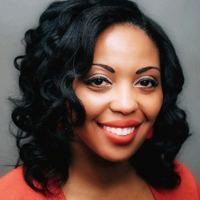
Tiauna George
Senior Director of Grants Management
Energy Foundation
What does it mean to belong? I think of it as a deep sense of connection to something or someone. It’s knowing we’re valued, appreciated, and our presence brings a welcome and unique perspective to the collective culture. Working in the philanthropic sector for about 15 years has allowed me to take for granted whether or not I felt like I belonged in a certain place. Power, even proximal power, sometimes does that. It makes you think that you’ve earned something simply because you’re there. But to create a culture of belonging, we must be intentional. In order to create the conditions necessary for someone to feel like they belong, we must prioritize all of our people.
One of the biggest transformations in the philanthropic sector to date has been the evolution of, or at least a renewed focus on, diversity, equity, and inclusion (DEI). Foundations both large and small from various parts of the country are recognizing the importance of DEI and are making commitments with both their mouths and their wallets to mitigate against persistent disparities in their communities. And while this is important, because a culture of belonging is predicated on inclusion, most of the progress to date has focused on diversity, but we haven’t quite figured out how to follow the through line to address inclusion and equity. Many of us in the sector want to use our unique positions to disrupt tradition and deploy risk capital to affect the kind of change that’s needed in society. However, we still have a long way to go. In part, this is because many of us do not understand what it means to cede power and create an environment where all voices are heard. Too often, people feel as though they don’t belong because their voices have been minimized or ignored, or because they don’t look or think the same as others, often have difficulty expressing in tangible terms what that feels like to someone who has never faced the same struggle.
Perhaps though, the biggest barrier to fostering a culture of belonging is that we never ask about the lived experiences of others. We’re all moving too fast. Intention takes time. Giving everyone a voice takes time. Doing this right takes time. In the rush to get grant dollars into communities, we prioritize efficiency over effectiveness, and return on investment over relationships. We don’t take the time to learn from, and listen to the wealth of information diverse voices bring. Creating a healthy culture is the responsibility of all of us, but too often the burden of calling out bad actors, perverse environments, and unhealthy power dynamics rests on those with the least amount of power.
Reflecting on the concept of belonging made me realize that I have never been asked by anyone if I felt like I belonged in a given environment. Although I have felt like an outsider at various times throughout my career, the onus was on me to assimilate into a culture that sometimes felt foreign and contrived. In order to make sure that we’re fostering an environment that prioritizes belonging, we must slow down. We must ask ourselves whose voice is missing; we must cede power and listen to those with different lived experiences, and we must be intentional about making sure there is a place for everyone at the table even if it takes a little more time. I promise, the return on investment is worth it.
Inclusion Begins With Trust
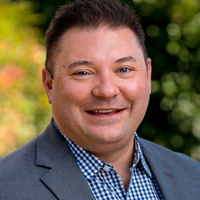
Erik Stegman
CEO
Native Americans in Philanthropy
As john a. powell describes it, belonging is “more than just being seen or feeling included, belonging entails having a voice and the opportunity to use it to make demands upon society and political institutions. Belonging is more than having access; it is about the power to cocreate the structures that shape a community.”
In philanthropy—and especially in the process of grantmaking—the experience could not be further from this definition of belonging for most frontline nonprofit organizations. Why? Because philanthropy was constructed to protect wealth and power. It was also constructed to slice and dice, dissect, and reframe solutions according to the funders’ intent, privilege, and power.
As a leader of a member organization, I listen to organizations working to invest in movements for Tribes to control their own land again (as was promised through sacred treaty obligations). I listen to Hmong farmers who are creating new, intergenerational food systems and economies. I listen to Indigenous community leaders from Mexico who are working to support refugees and reconnect them with land in urban areas. And I listen to powerful Black women leading movements of young Black women who are growing “seeds to souls” in the ground their ancestors tilled.
Listening is about creating a culture of belonging across communities. But one of the most frustrating commonalities among funders in their philanthropic practices is that they are centered on silos and practice in philanthropy.
Nothing about these structures is about cocreating, lifting up voices, or creating access to resources in meaningful ways.
One of the most hopeful messages to come from everyone in this conversation was the way funders reacted during the pandemic. After years of advocating to the sector about general operating funding, flexible timelines, multiyear funding, and cross-silo work, the crisis we continue to face in the pandemic should be seen as a learning moment for how grantmakers can truly make a difference in practice.
I have learned that the more you can do as a grants manager to advocate internally for trust-based, flexible, multi-year, general-operating resources, the closer you’re shifting the field to belonging. Nonprofits on the ground, and advocacy organizations like Native Americans in Philanthropy, have been shouting this from the rooftops for years. But so many funders finally answered our call almost overnight (considering the slow pace of philanthropy) when this pandemic hit.
Use this moment to show that the sector can do something different. Think about your grantee partners who are creating a culture of belonging every day. Document what those partners are doing and reference to your colleagues inside your organizations that the sky didn’t fall once you shifted how you managed your grants. It means more than you realize when it comes to belonging.
Meet the Author
Isabella Gargiulo
Program Officer, Argosy Foundation
Tiauna George
Senior Director of Grants Management, Energy Foundation
Erik Stegman
CEO, Native Americans in Philanthropy
Principles for Peak Grantmaking
Read more insights related to this Principle:
Drive Equity
Related Topics
Diversity, Equity & InclusionRelated Articles
Intentional Relationships Require Courage: Five Undoings for Philanthropy’s New Year
READ
Advancing Equity Through HBCU Leadership
READ
Leading With Love and Finding Joy in 2025
READ