A PEAK Peer Community 10 Years in the Making: The story behind the Grants Management Directors’ Circle
As philanthropy evolves, PEAK strives to engage, support and learn with its members to evolve the sector. In order to meet the ever changing moment, PEAK has been participating in and supporting communities of practice to harness, accelerate and sustain the infrastructure, individuals and institutions that drive Philanthropy forward. These communities of practice have proven to be effective ways to test and scale ideas, forge deep relationships, and surface emergent learning.
For the past ten years, one such group, the Grants Management Directors’ Circle, has consistently convened to connect peers across the sector as they explore common challenges. In this emergent learning community, participants encourage one another to share knowledge, best practices, feedback and support through participatory, thought-provoking, and reflective processes. In 2022, this independent group officially became a PEAK community of practice. As we round the corner of 10 years together, I’d like to share what has made the Grants Management Directors’ Circle successful.
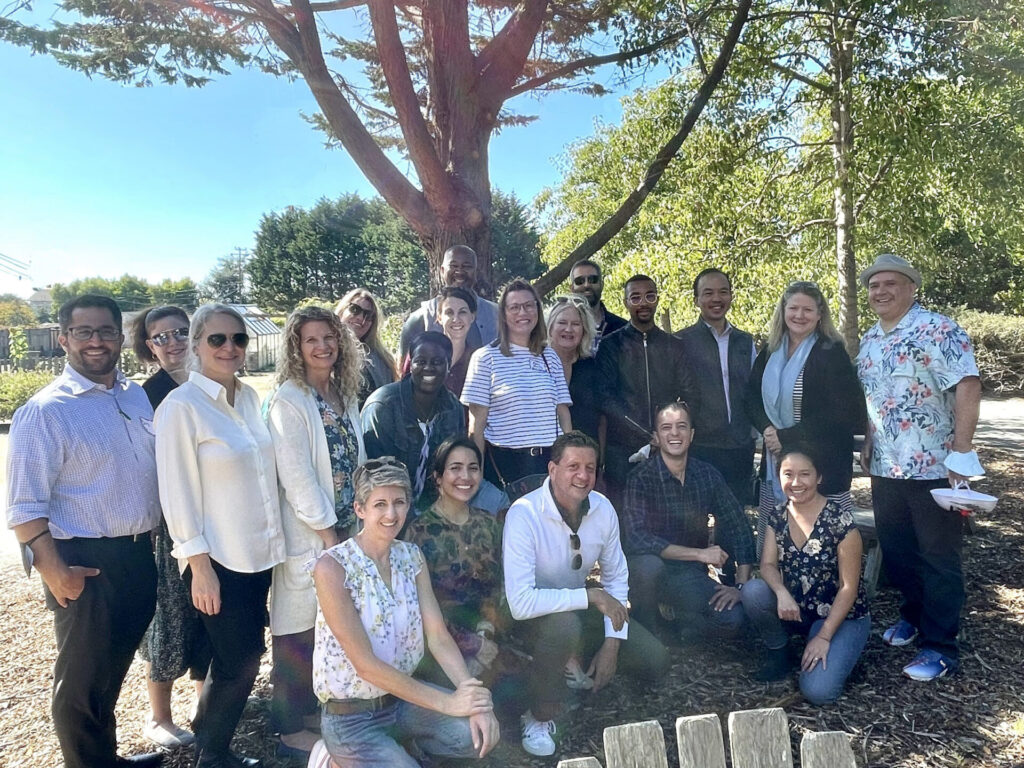
In the fall of 2013, a handful of grants management leaders at large-asset private foundations met in California to indulge their curiosity and discover what might come from a gathering of peers grappling with similar challenges. At the time, PEAK Grantmaking (then GMN) was doing amazing work supporting grantmaking professionals, yet these directors were bumping up against issues related to managing staff, managing up, developing intentional grantmaking processes, leading special projects, and balancing professional ambitions, all while navigating the nuanced dynamics of their respective boards, presidents and foundations’ culture.
The first conversation this group engaged in made it clear that they needed to create a container in which to continue convening and exploring their unique and shared path. Being caring, strategic individuals with busy schedules and a deep dedication to adding value, they sought a structure that was tight enough to ensure the time spent together would be valuable, yet loose enough to enable conversations to evolve and emerge organically.
To provide structure, the group began their journey by drafting a set of operating agreements that explicitly detailed the group’s goals, criteria for participation, the processes the group engages in to meet the goals, and the relational expectations. Examples of these operating agreements include
- to avoid “better than” (other types or sizes of foundations) language and tones, and instead acknowledge the reality that leadership roles are different at large asset foundations with sizable staffs of over 50 people;
- to set and use objective criteria for group participation to avoid cliquish behavior; and
- to focus on peer support, sharing, and development rather than specific projects or sector-related goals.
This is a living document which is regularly revisited and revised by the Grants Management Directors’ Circle participants. These operating agreements evolve to ensure the guidelines that guided the group from inception do not limit the group from growing into, and leading the future. For example, in 2021 members decided to expand the agreements to invite similar-sized, non-501c3 philanthropic entities (such as the Bezos World Fund, Hillspire, and Arnold Ventures) to join the conversations.
The group has been able to evolve healthfully while maintaining a culture of depth and honesty that has been cultivated over many years with support from this co-created set of operating agreements. This document begins with clear objectives, then continues to clearly outline the eligibility for participation. Doing so has ensured the group size is conducive to intimacy, and focuses each convening, regardless of who is hosting, on the shared of objectives to:
- create a community of practice across the sector to develop the knowledge and capabilities of grants management professional leaders;
- provide an informal and confidential venue for peers to share, support and learn from each other;
- encourage honest dialogue about the realities, opportunities and challenges we face as the internal advocate and leader for grants management within our respective foundations; and
- support collective leadership development and each other as managers and leaders of our respective teams.
Now, when problem solving in professional contexts, people tend to place an enormous emphasis on tasks, the details of their work, the tasks, the minor and major to-dos of getting the job done. Yet there is an entire other universe that must be tended to that supports the tasks getting done more effectively and efficiently: relationships. (See this infographic that illustrates the symbiotic relationship of these two elements of our work and life.)
How we perceive one another—and how we perceive personal or professional status—can greatly impact how we relate to one another. As the facilitator, I do my best to remove the specter of rank from the group when we convene. New members and old members are treated alike, and we engage in experiences that elevate individuals’ humanity over the honorifics they arrive with. A few incidentals that help forge the norms of deep relating that are fundamental to this group are shared meals, ample opportunities to laugh together and invitations to take risks together. While the group has changed dramatically in size and specifics over the past 10 years, the candor, vulnerability and tone of the experience remains largely unchanged.
The group started with 14 members, and now includes 30. Of the original 14, a small handful remains. Given turnover, retirement and other factors, sustaining the group culture must be continually tended to. Luckily, the emergent, flexible, and shared leadership model that the group employed early on has created a culture of shared ownership.
Each session, two members volunteer to host the subsequent session. In advance of each session, the hosts, along with the facilitator/project manager, survey members to learn what topics are of most interest and importance for the group to focus on at the upcoming session. Doing so helps us remain relevant and focused on emerging trends and pressing topics.
When the group started, they advocated for the financial support needed to convene as a component of leadership development and capacity building. For the first years, the Hewlett Foundation footed the bill for all project management and consulting fees, while the co-hosts shared the cost of the events (e.g., facilities and food). This model proved to be burdensome, so a membership fee-based model was implemented in 2021, with PEAK acting as the fiscal sponsor, to ensure the effort could be sustained.
Sustaining the group also requires meeting/workshop activities that animate the topics at hand in ways that are accessible and relevant, and facilitated in a manner that invites learners of all types to engage and express authentically. Through these participatory processes that help the group buck normative ways of engaging with content and one another in both playful and vulnerable ways, empowering members to surface past experiences and new ideas that enrich their forward-thinking conversations.
In 2020, participants wanted to provide a venue for their staff to have similar experiences, so they piloted a group exclusively for their teams. While this group, dubbed the GM Peer Experience, is still in its infancy, by following a similar playbook, it is beginning to develop a unique forum to share, provoke, connect, and grow together.
The benefits to members of participating in Communities of Practice, and their respective organizations, can yield enormous results. Through a participatory, thought-provoking, and reflective process where participants encourage one another to increase their personal and professional potential, share knowledge, best practices, feedback, and support, the communities of practice PEAK is committed to are becoming powerful venues for our sector to explore common challenges, scale effective practices, and stay on top of industry trends. We are better together.
Original Grants Management Directors’ Circle participants
Joe Behaylo, Open Society Foundation
Aiko Bethea, Gates Foundation
Dee Colello, Robert Wood Johnson Foundation
Sara Davis, Hewlett Foundation
Stephanie Duffy, McKnight Foundation
Dolores Estrada, California Endowment
Ignacio Estrada, Gordon & Betty Moore Foundation
Satonya Fair, Annie E. Casey Foundation
Pam Foster, Rockefeller Foundation
Marcus McGrew, Kresge Foundation
Susan Hairston, Ford Foundation
Elizabeth Niehaus, Margaret A. Cargill Philanthropies
Christopher Percopo, Helmsley Charitable Trust
Annie Sherzer, W.K. Kellogg Foundation
Mimi Turi, Robert Wood Johnson Foundation
Current Grants Management Directors’ Circle participants
Jennifer Adams, David and Lucile Packard Foundation
Jocelyn Brekken, The Andrew W. Mellon Foundation
Krista Bryan, Bill & Melinda Gates Foundation
Tony Chan, Bezos Earth Fund
Jennifer Chheang, The California Endowment
Shea Deneen, Bill & Melinda Gates Foundation
Stephanie Duffy, The McKnight Foundation
Eboni Dunbar, Charles and Lynn Schusterman Family Foundation
Ignacio Estrada, Gordon and Betty Moore Foundation
Jim Gallagher, Ford Foundation
Allison Gister, Conrad N. Hilton Foundation
Paige Granger, The Rockefeller Foundation
Sara Guillaume, Walton Enterprises
Kelly Hayashi, Heising-Simons Foundation
Kerri Hurley, The Barr Foundation
Katie Kaluza, Hillspire
Roland Kennedy, Jr., Carnegie Corporation of New York
Thorsten Klassen, Open Society Foundations
Kelly Martin, James Irvine Foundation
Marcus McGrew, The William and Flora Hewlett Foundation
Jamie Miller, Ewing Marion Kauffman Foundation
Kurt Miller, The Annie E. Casey Foundation
Nora Mitnick, The Andrew W. Mellon Foundation
Ify Mora, Margaret A. Cargill Philanthropies
Paul Murphy, Oak Foundation
Justine Palacios, Arnold Ventures
Lily Papakhian, John S. and James L. Knight Foundation
Christopher Percopo, The Leona M. and Harry B. Helmsley Charitable Trust
Elizabeth Powley, The John D. and Catherine T. MacArthur Foundation
Bonnie Rivers, The JPB Foundation
Kim Roberts, W. K. Kellogg Foundation
Adam Sanders, The Mother Cabrini Health Foundation
Megan Selland, Wellspring Philanthropic Fund
Genise Singleton, The Kresge Foundation
Jaime Staugler, Bloomberg Philanthropies
Rik Treiber, Hillspire
Mimi Turi, The Robert Wood Johnson Foundation
Meet the Author
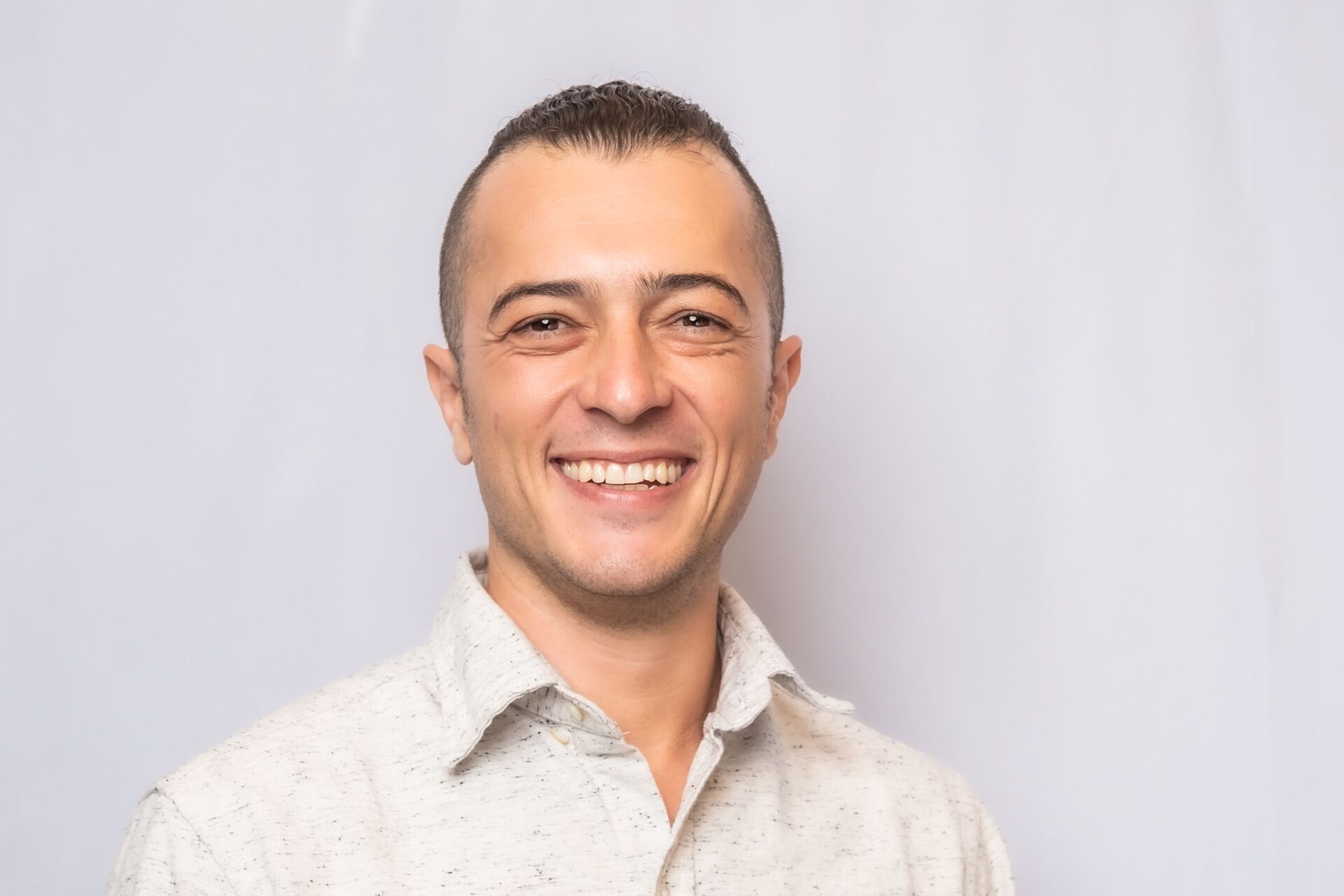
Daniel Weinzveg
Founder, Weinzveg Consulting
Principles for Peak Grantmaking
Read more insights related to this Principle:
Learn, Share, Evolve
Related Topics
Organizational LearningRelated Articles
Maintaining the Learning Momentum After a PEAK Convening
READ
How a PEAK–BSU Partnership Helped Me See a Career in Philanthropy
READ
Six Insights on Organizational Learning
READ