What does it truly take to build an organization that not only values justice, inclusion, and equity but actively incorporates these principles at every level of its operation? A robust approach starts with an honest appraisal of the current state of the organization, creating safe, purposeful, and protected spaces for curiosity, compassion, and purpose.
Understand the current state
Organizations often reminisce about the past or dream of the future, stuck in a loop that can lead to resentment and burnout. To break free, it’s crucial to focus on the present and tune into the organization’s heartbeat with openness and responsiveness. To promote equity within teams and at the leadership level, organizations can implement feedback mechanisms that ensure all voices are heard and valued. Anonymous feedback tools, such as online surveys, allow employees to provide candid input without fear of bias or retribution. Structured one-on-one meetings ensure that leaders engage regularly with each team member, focusing on growth and well-being. Additionally, utilizing third-party services to gather intentional peer and organizational feedback can help uncover areas for improvement in a neutral manner. Listening circles or focus groups give underrepresented groups a platform to share their experiences, while equity audits regularly review systems for bias, ensuring fairness in feedback, hiring, and promotion processes.
It’s crucial to intentionally create a safe environment for sharing, with clear guidelines on how this input will be used constructively. Creating a safe environment for sharing begins with building trust and ensuring confidentiality, so individuals feel secure that their contributions will remain private. Psychological safety is key as it allows team members to express themselves without fear of judgment or consequences. Approaching conversations from a place of curiosity and focusing on the work, not personal feelings, encourages open dialogue. It’s important to actively listen, appreciate what is shared, acknowledge the experience, and ask, “What’s the best that could happen moving forward?” Clear communication norms further support respectful, nonjudgmental discussions.
Lean into curiosity
Curiosity fosters clarity and new insights. Each team member views the world through a unique lens shaped by their personal experiences, biases, and motivations. Recognizing this diversity of thought is essential. Here, reverse mentoring and curiosity sessions can be powerful tools to promote equity and learning within organizations. Reverse mentoring pairs senior leaders with employees who are more junior or have different backgrounds and areas of expertise, allowing leaders to learn new perspectives on inclusion, technology, or workplace culture. It shifts traditional power dynamics, fostering empathy and mutual learning. Curiosity sessions, on the other hand, create intentional spaces where teams or leaders engage in open-ended conversations to explore different experiences, challenges, and ideas. These sessions focus on asking thoughtful questions, thus promoting a culture of learning and inclusion. Both initiatives provide opportunities to amplify underrepresented voices and drive continuous development. Such strategies encourage a problem-solving culture that shifts away from scarcity and blame towards what is possible.
Center compassion
Compassion allows us to connect deeply and move past snap judgments and reactions. It involves actively listening to understand others’ realities and extending the same understanding to ourselves to avoid resentment or perfectionism traps. This begins with leaders sharing stories of learning and vulnerability to foster a culture of openness and create space for learning. In addition, make space for learning in one-on-one check-ins and share-outs to the organization, remembering to celebrate your accomplishments and not just the ways in which you’d approach something differently in the future.
In addition to making space for learning, make space for empathy. Start meetings by allowing team members to share a brief descriptive word or phrase to describe their state of mind. Providing even this small amount of personal context helps everyone calibrate to one another and reduces misunderstandings. For example, a normally upbeat teammate seems distant and frustrated. Through this process, the team gains new insight as the teammate was up all night with a sick child. This strategic use of compassion leads to clearer communication and reduced friction, improving team effectiveness.
Focus on purpose
Purpose drives us to contribute our time, talent, and resources to endeavors that resonate with our values. Align individuals’ motivations with the organization’s broader goals through tools like alignment workshops and purpose-driven team activities. Purpose-driven organizations can create deeper alignment between individual motivations and company goals by integrating strategies like alignment workshops, where employees connect personal values to the organization’s mission. Activities such as volunteering or impact-focused projects reinforce this connection. Tools like the Core Strengths SDI Assessment offer insights into team members’ motivations and potential triggers, fostering a common language for clarifying roles. Leaders should implement transparent decision-making processes and feedback sessions, ensuring clarity on how individual contributions drive organizational success, and aligning on desired outcomes and support for projects.
By weaving curiosity, compassion, and purpose into the fabric of organizational culture, leaders can champion and actualize justice, inclusion, and equity. Regular evaluations of how these elements are integrated into daily operations are essential. This proactive approach ensures that all team members can thrive, feel valued, and contribute meaningfully, fostering an environment of genuine engagement aligned with core values.
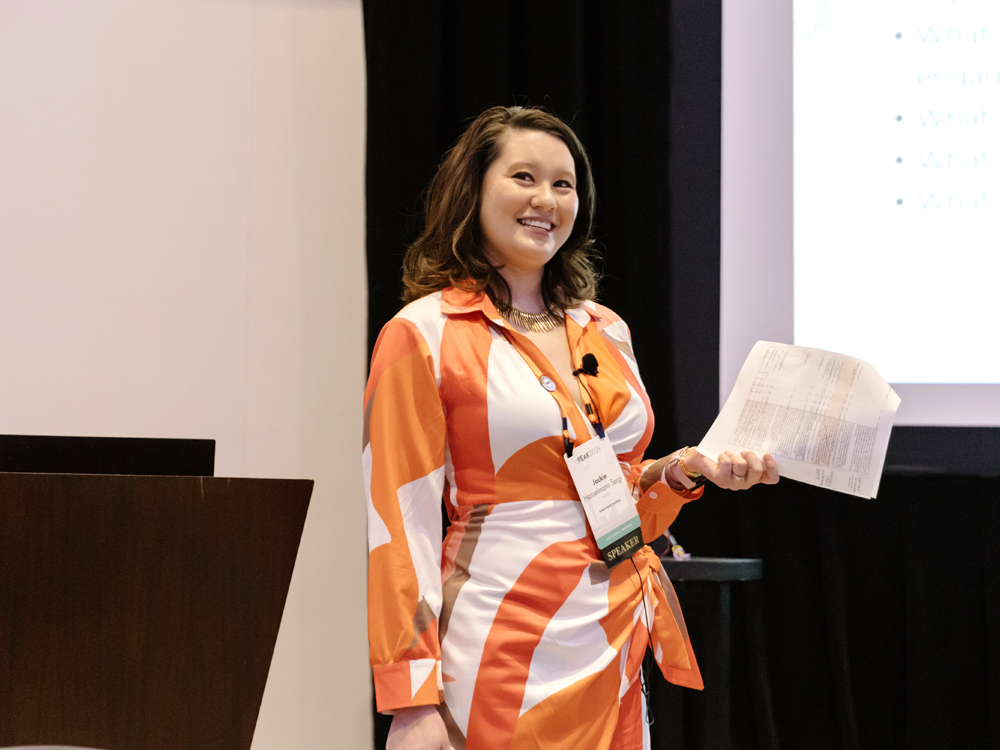
Image: Jackie Sergi leads a breakout session on reigniting your career spark and owning your gifts at PEAK2024 in Seattle. Photo by Julie Harmsen.
Meet the Author

Jackie Hanselmann Sergi
Founder, Radical Spark Consulting
Principles for Peak Grantmaking
Read more insights related to this Principle:
Steward Responsively
Related Topics
Organizational LearningRelated Articles
Maintaining the Learning Momentum After a PEAK Convening
READ
How a PEAK–BSU Partnership Helped Me See a Career in Philanthropy
READ
Six Insights on Organizational Learning
READ